Charlotte 猫 Awoo Fide @confusedcharlot@awoo.space
- Verification
- https://confusedcharlotte.tumblr.com/verify/
- pronouns
- she/her, Þei/Þem
Transitioning in mid-life
alt: @confusedcharlot@kolektiva.social
https://confusedcharlotte.tumblr.com
http://quietcarlota.tumblr.com (backup)
https://www.pillowfort.io/charlotte
confusedcharlotte#1650
confusedcharlot@twitter
#nobot
Joined Feb 2017
racism, volunteer burnout, actual nazis, just yikes
so much bad shit went down here in that 2016-2018 window. i mean i'm glad some of you all have good memories.
it's just weird how romanticized mastodon gets sometimes
Charlotte 猫 Awoo Fide
boosted

g_d, i got a big mouth
Charlotte 猫 Awoo Fide
boosted

Can’t get over the important media people coming over here and complaining that “toot” is a silly word. Like sorry my gay little website isn’t serious enough for you sir
Charlotte 猫 Awoo Fide
boosted

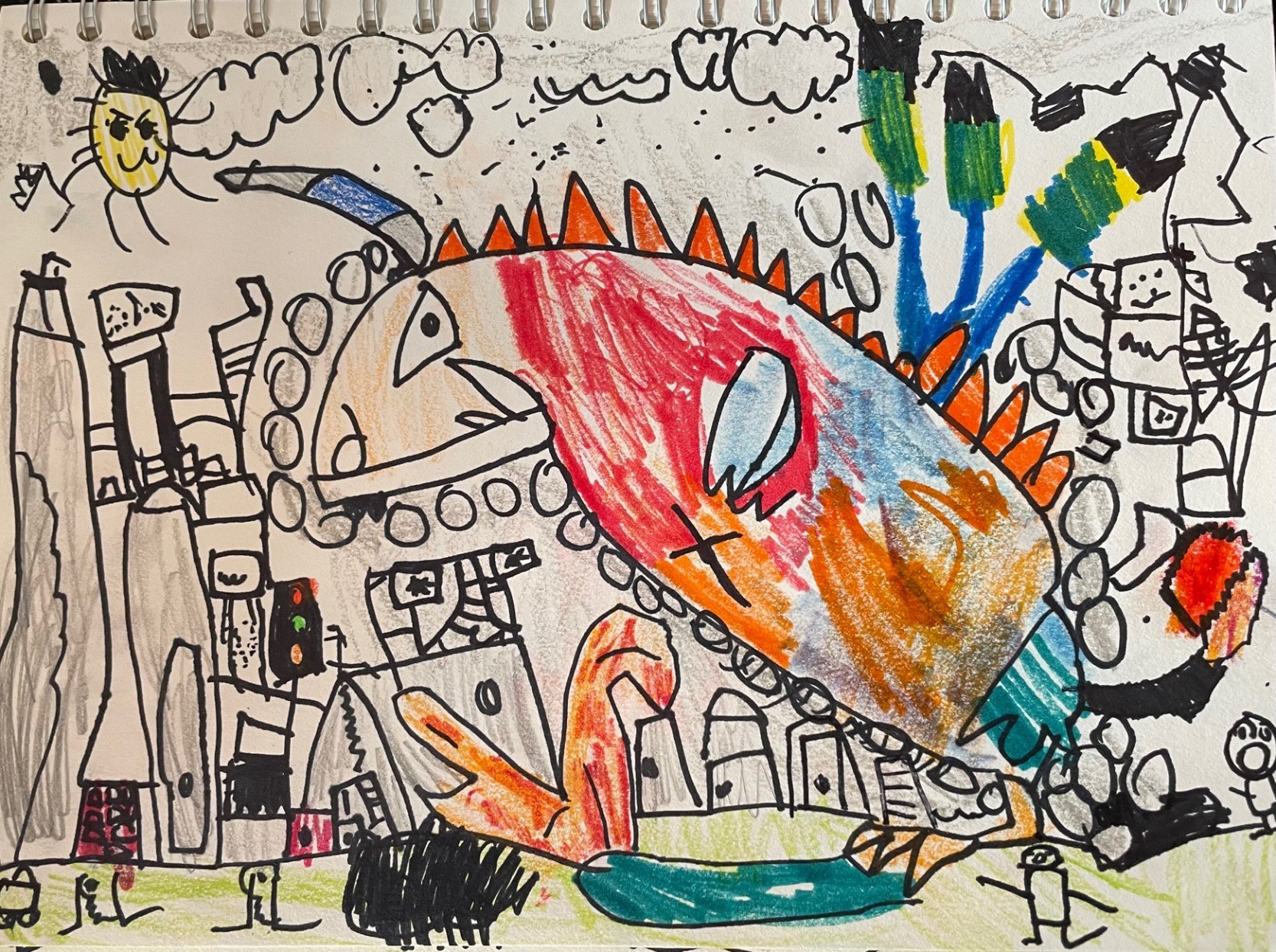
NO IDEA what this site is for yet so here is a picture of a Minotaur my 4yr old drew today
Charlotte 猫 Awoo Fide
boosted

My editor at WIRED asked me to write a guide to getting started on Mastodon and I really want to get it right. What are some resources I should read to make sure I don't betray the wonderful culture here? #twittermigration #mastadonmigration #fediverse
Charlotte 猫 Awoo Fide
boosted

Ok folks who are some of your favorite people who have been on here for a while tooting about technology and online culture? Looking for smart people to follow and would love recs!
#technology #tech #twittermi #twitterrefugee #twitter #news #media #journalism #journalist #technews
is there any way to tell if verification is erroring out?
Charlotte 猫 Awoo Fide
boosted

"Open source is the future!" She said, opening the radiation therapy machine, dooming everyone in the room.
Charlotte 猫 Awoo Fide
boosted
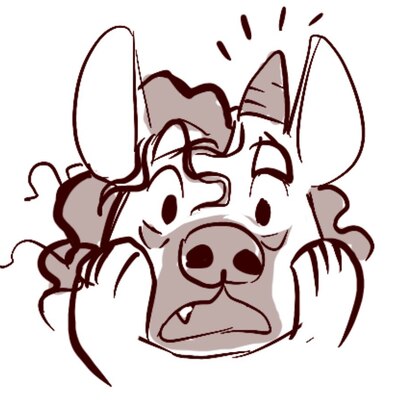
Imagine how powerful bunnies would be if they had toebeans

Charlotte 猫 Awoo Fide
boosted

mutual aid for food, disabled need groceries, no pressure
I hate to be back asking again, but after paying my rent/water, electric, and phone bill, I have very little left for the week and a half of groceries I need until my SNAP money is deposited
If you're in a position to help I'd be very grateful
No pressure otherwise
My PayPal is bonemasque@gmail.com
Cash app is $bonemasque
Boosts welcome and appreciated
Thank you all so much

 fuchsiaaaaaaaaaaaaaaaaa
Charlotte 猫 Awoo Fide
boosted
how do you see the image description in the web client?
Charlotte 猫 Awoo Fide
boosted

How UX apathy leads to corporate capture
"No, $software is fine, users just need to learn how to use it"
"That's a stupid feature, nobody should ever need that"
If you've spent any amount of time in FOSS circles, you've probably seen sentiments like that all over the place. Unfortunately, they're a big part of why dubious corporations (eg. Microsoft, Google, etc.) have been able to co-opt the FOSS community.
Why? Because regardless of what you, as a technical FOSS person, believe is "necessary"... users are not going to care about that. They have certain expectations from their software in terms of feature set and ease-of-use.
Either you meet those expectations, or users go elsewhere.
Now, "it's FOSS, it gives you freedom" can sway that decision *somewhat*, but it only gets you so far. Most people care more about getting their stuff done, than they care about (to them) abstract ideals of "freedom".
And because of that, you're setting yourself up to be vulnerable to corporate capture - because corporations can superficially *claim* to do FOSS, but provide an actually accessible user experience, and suddenly everybody flocks to the corporate thing.
And sure, corporate FOSS has real problems compared to community-run FOSS. But understanding that requires a degree of nuance that most people won't see, and that you frankly cannot expect from people for whom FOSS isn't their whole existence. It's specialized knowledge.
Which boils down to a very simple reality: either *you* provide the UX that users want, or a corporation will do it for you, and with none of the community governance and long-term sustainability. Those are the options.
A great example of this is systemd; yes, it has plenty of problems. But because of the widespread insistence in FOSS circles that "nobody needs more than SysVinit", everybody flocked to an actually usable alternative the moment it appeared, monolithic design and corporate governance be damned.
Don't be that person. Listen to users about their needs. Take complaints about UX and accessibility seriously. If you don't, then you're not helping FOSS; you're harming it.
Charlotte 猫 Awoo Fide
boosted




- Verification
- https://confusedcharlotte.tumblr.com/verify/
- pronouns
- she/her, Þei/Þem
Transitioning in mid-life
alt: @confusedcharlot@kolektiva.social
https://confusedcharlotte.tumblr.com
http://quietcarlota.tumblr.com (backup)
https://www.pillowfort.io/charlotte
confusedcharlotte#1650
confusedcharlot@twitter
#nobot
Joined Feb 2017