Once in a while I imagine how much more pleasant HTML would be to type if only different brackets were originally chosen.
[div]
[p]
[a href=‘’][/a]
[/p]
[/div]
No single Shift press was necessary here.
EDIT: Please stop responding with “only on some keyboards.” I am aware.
Now curious exactly why SGML chose angle brackets! Would love to see a written statement. This is the closest I got to an answer, but it’s not really an answer.
This is from the standard, which I found online here: https://nvlpubs.nist.gov/nistpubs/Legacy/FIPS/fipspub152.pdf
(That footnote is prescient.)
There are references to an 1980 draft, but wonder if that would be explained there. There probably also also working group notes…
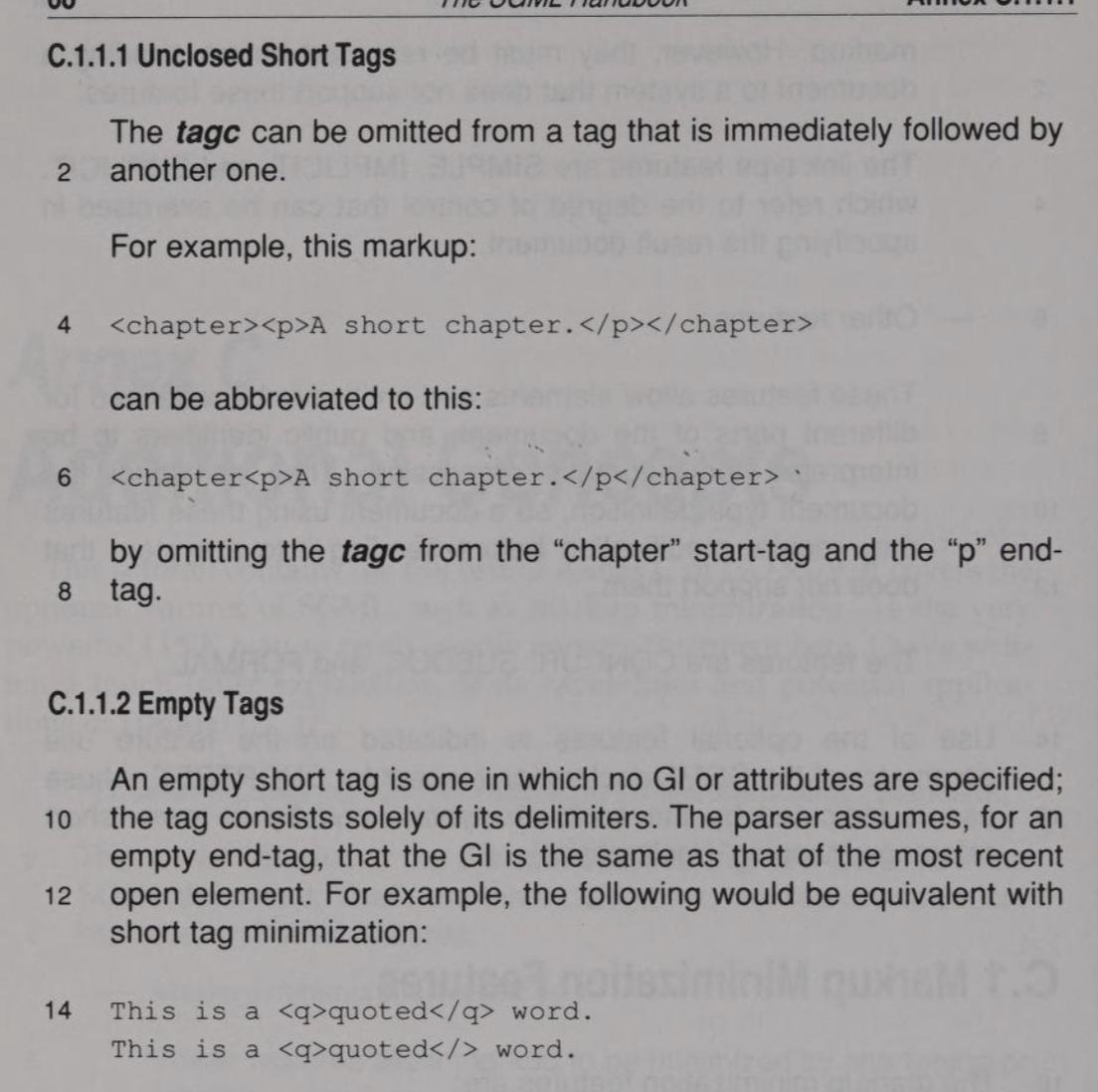
Poring over SGML Handbook from Goldfarb himself (Goldfarb is the “G” in GML).
SGML had some wild features!
Very interesting! https://jtc1info.org/sd-2-history/jtc1-subcommittees/sc-34/
Not sure those are available online…
I sent some emails, but I am not sure if this is going to go anywhere. It’s wild that there isn’t an authoritative answer online, given how much of modern “online” uses HTML and angle brackets.
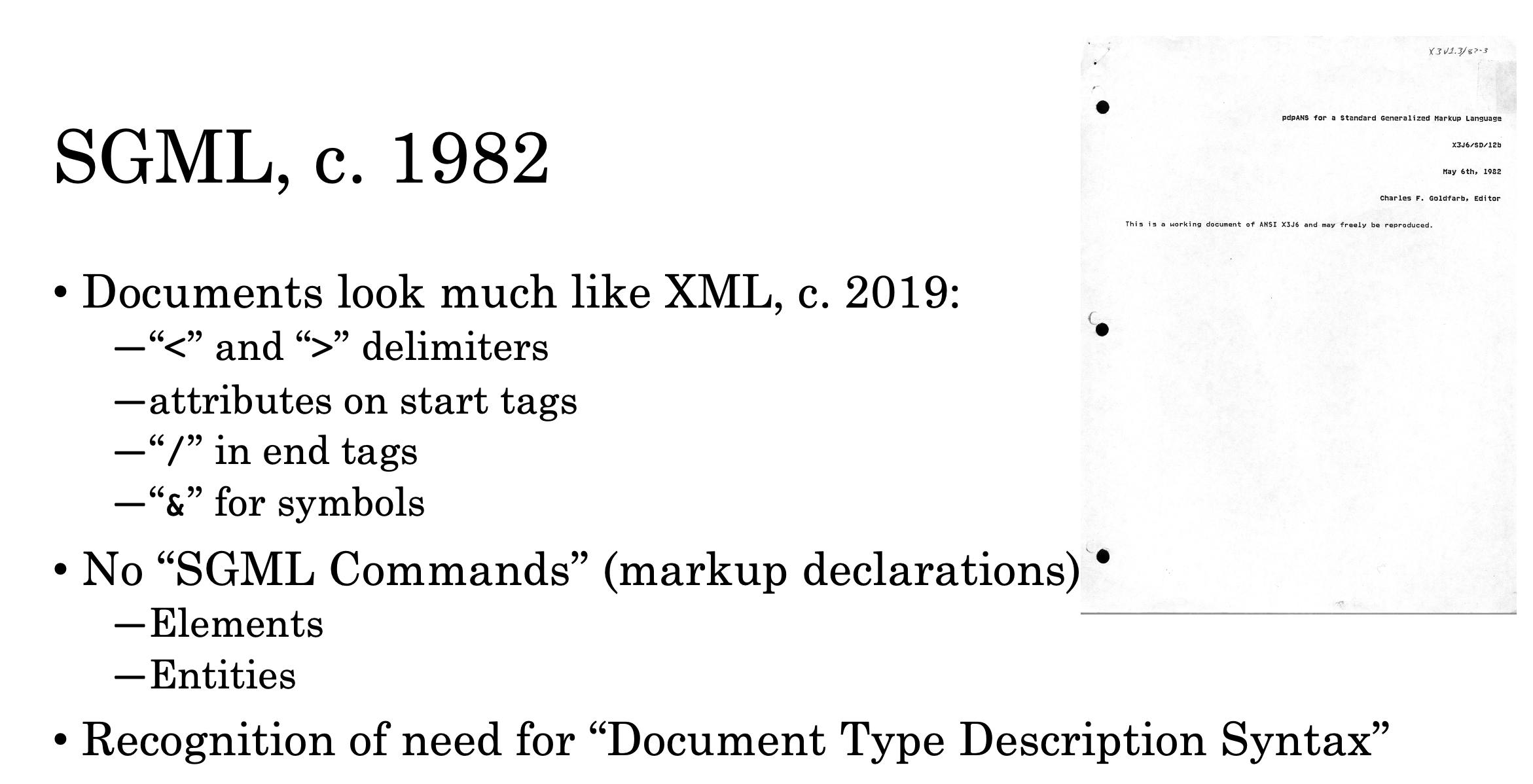
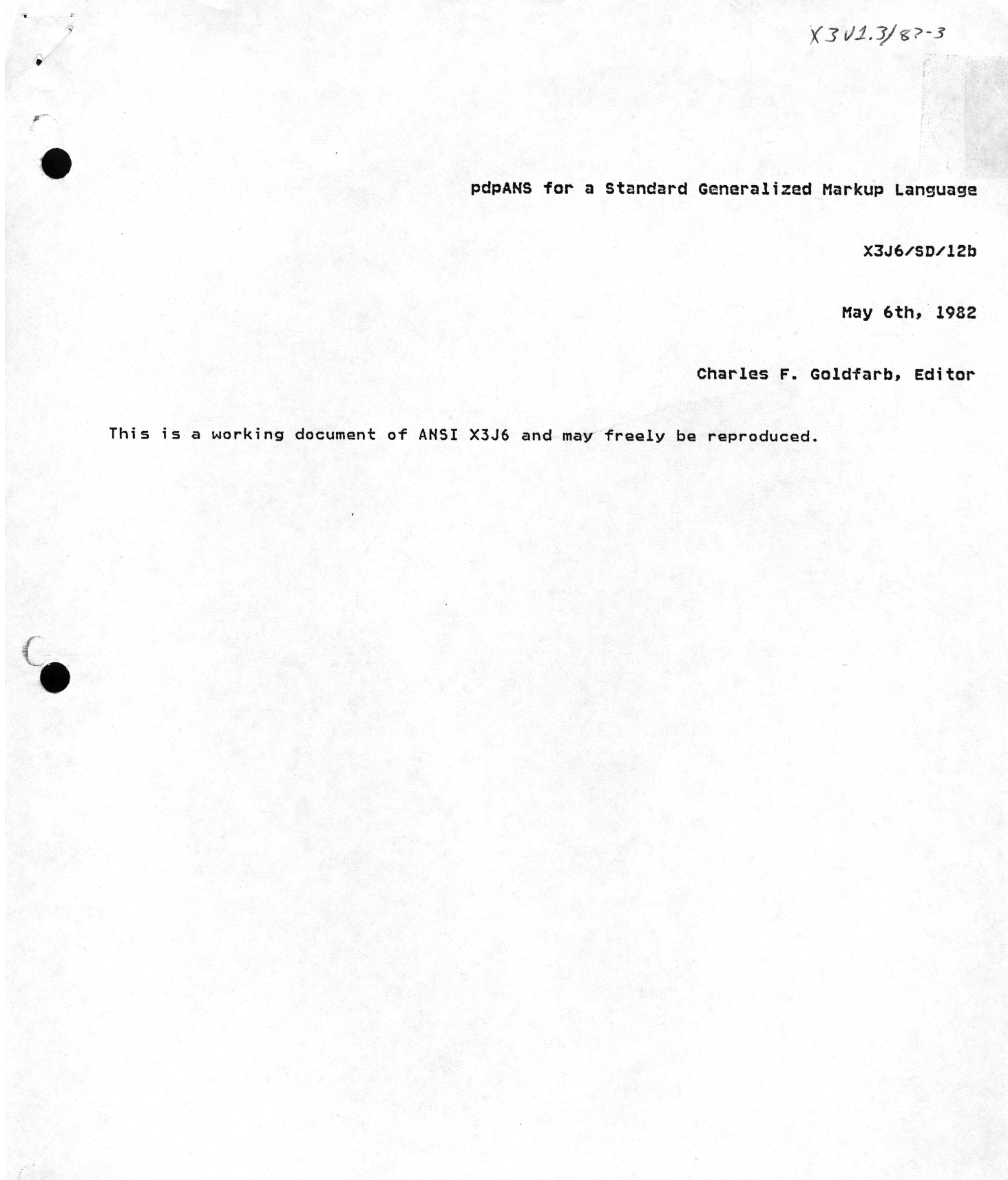
More from the same person writing about “chicken scratches.” Includes a tantalizing cover page of a working document.
https://www.balisage.net/Proceedings/vol23/html/Mason01/BalisageVol23-Mason01.html
Still digging.
“To encourage acceptance, the authors of the SGML specification followed other design objectives: the ability to enter text and markup on "the millions of existing text entry devices"; no character set dependency; no national language bias; and markup usable by both humans and programs.”
https://www.loc.gov/preservation/digital/formats/fdd/fdd000465.shtml
Thanks to my emails but also people who were participating today, I got an email from one of the key players that sent me some great leads and info to investigate! (Including a PDF of the report I was salivating over earlier.)
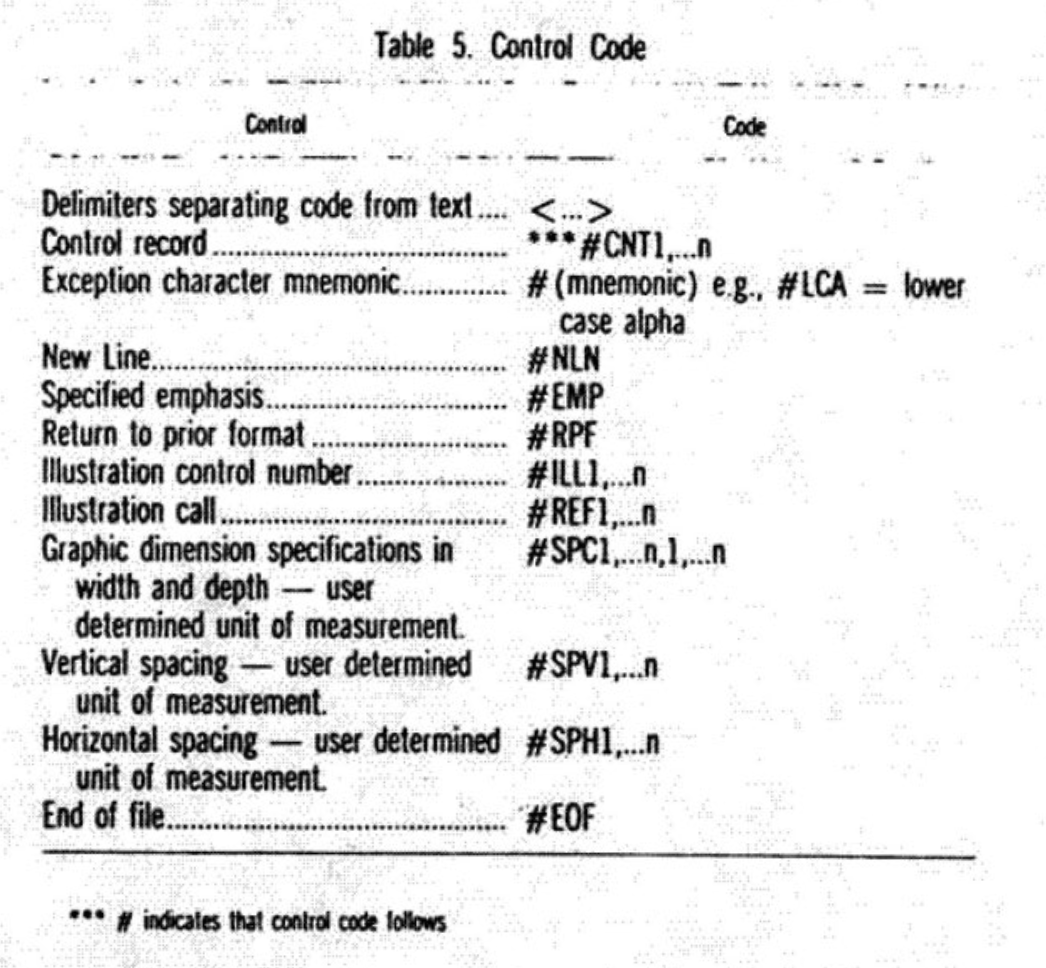
It turns out the angle brackets are at most from 1979, if not earlier. More to research!
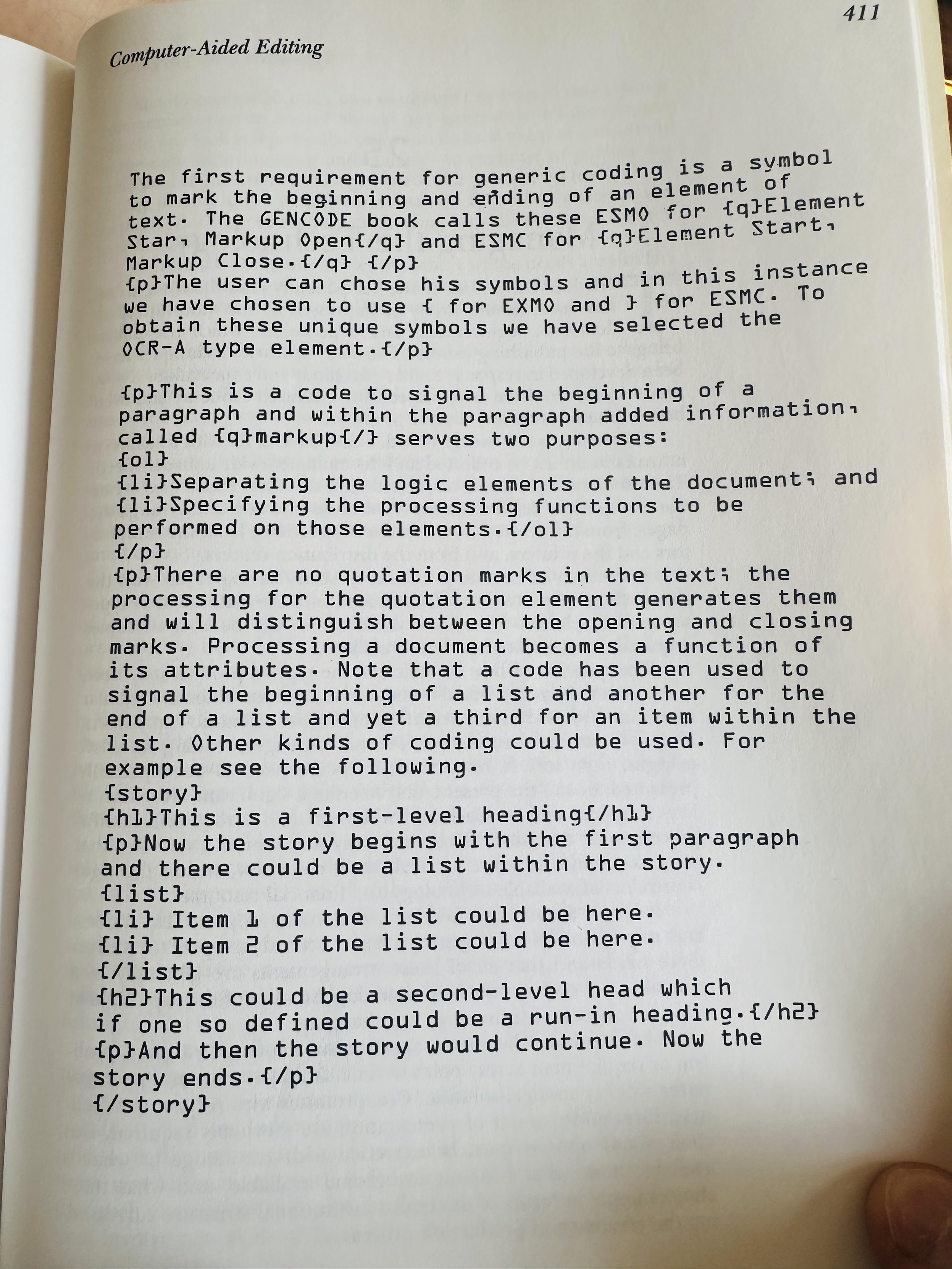
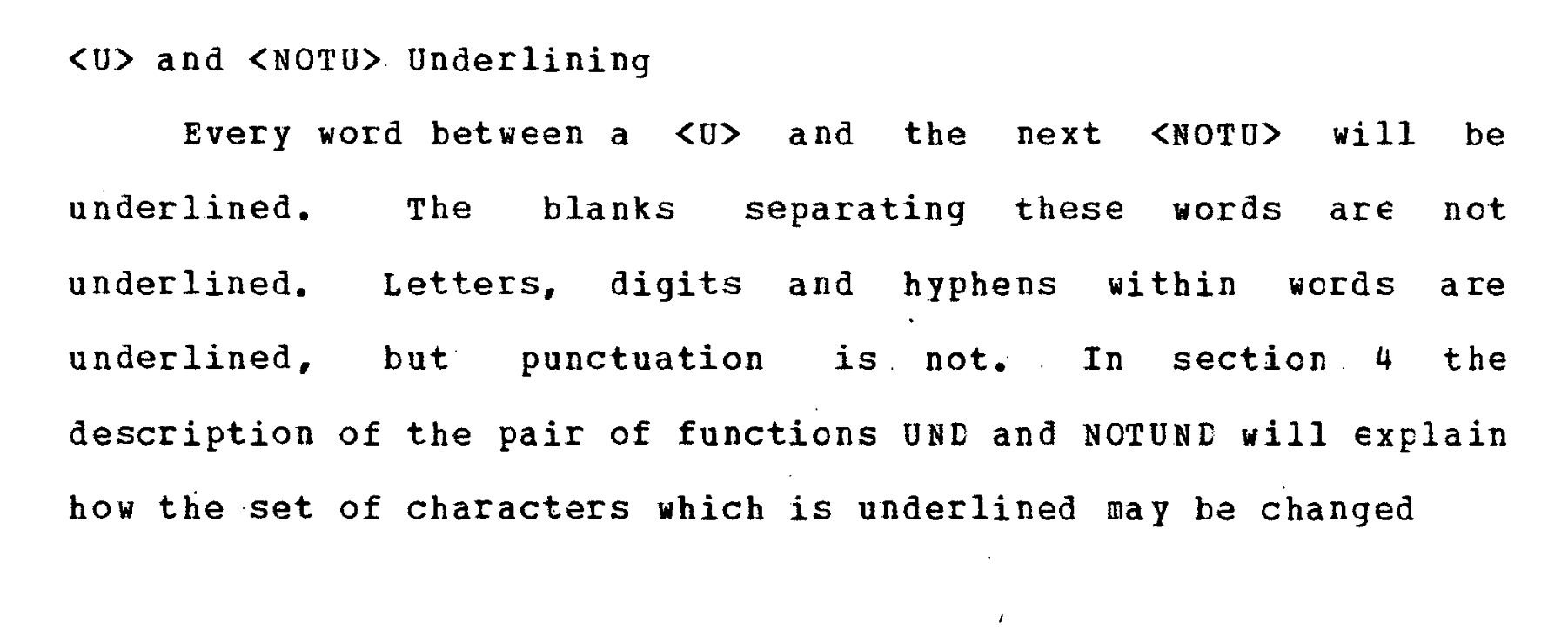
This is the earliest appearance of < > I know of today, from 1979.
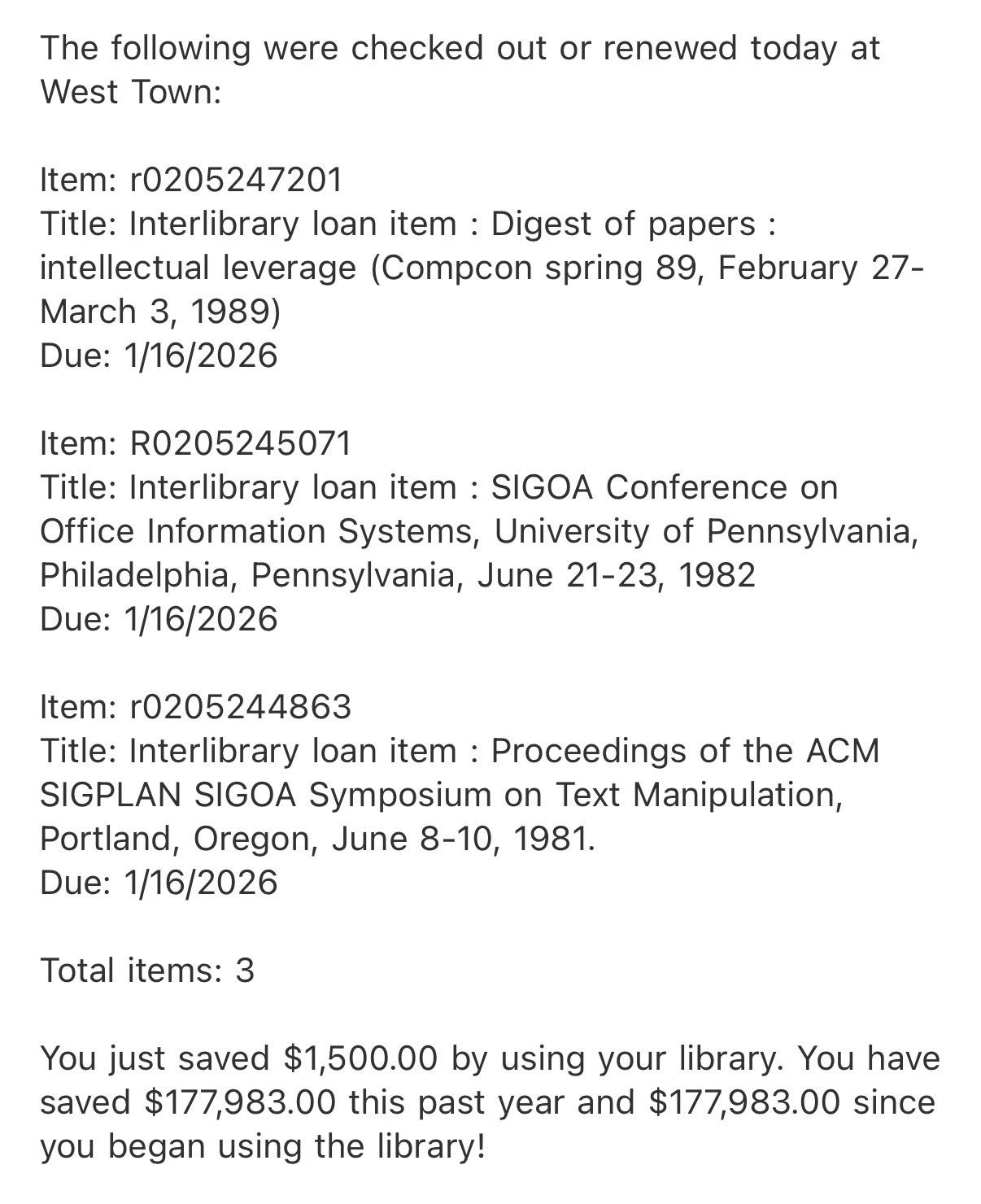
This thread might slow down, as next step will be some interlibrary requests!
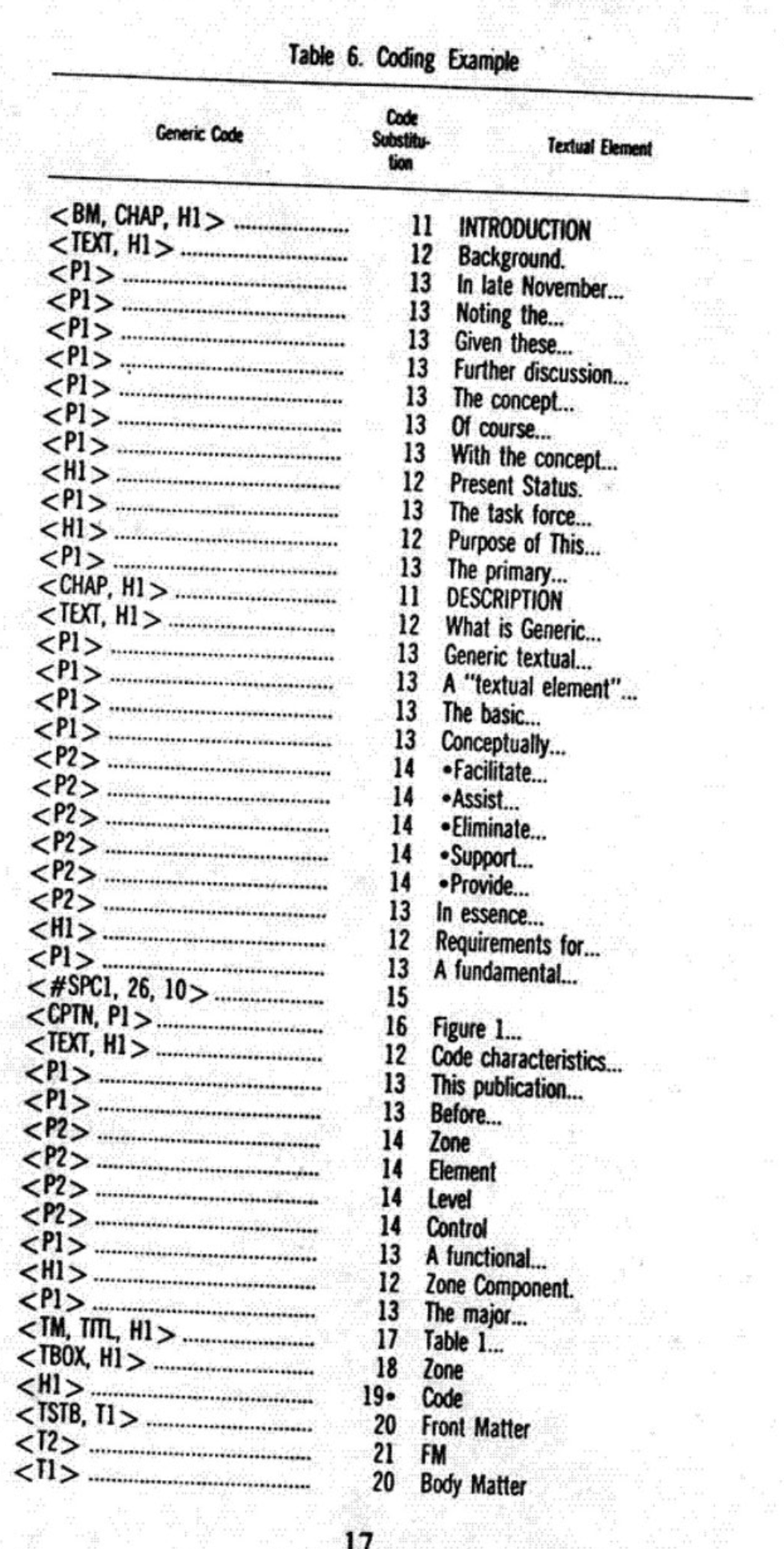
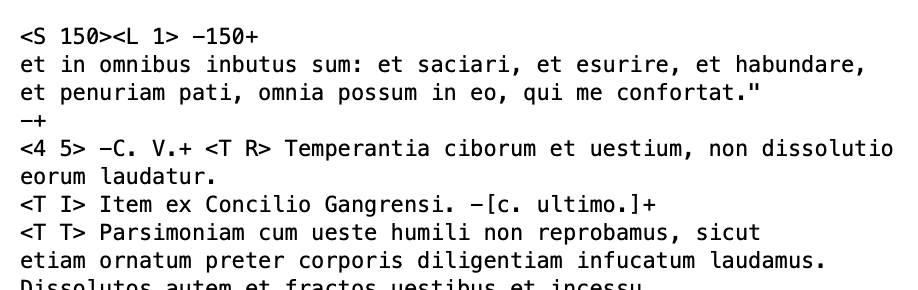
This might be more interesting. <P1> and <P2>! <#> for styling! Excited to dig and learn more.
They are *killing me*. In the old article about the history of it that I just discovered, they are using… square brackets.
Fired some interlibrary requests. Wish me luck!
Is this going to go anywhere? Unclear. But I like this part.
I like scanning and putting up interlibrary stuff on Internet Archive.
This is the first one I got. Not sure yet if it’s going to help with the HTML bracket investigation, but maybe it’ll help someone else! https://archive.org/details/gca-standard-101-1983
Believe it or not, I’m still figuring out where HTML got its angle brackets.
But despite grabbing a lot of interlibrary items, I am not sure I’m getting any closer. I still have some ideas, but one involves going to a museum in Maine, which might take a while.
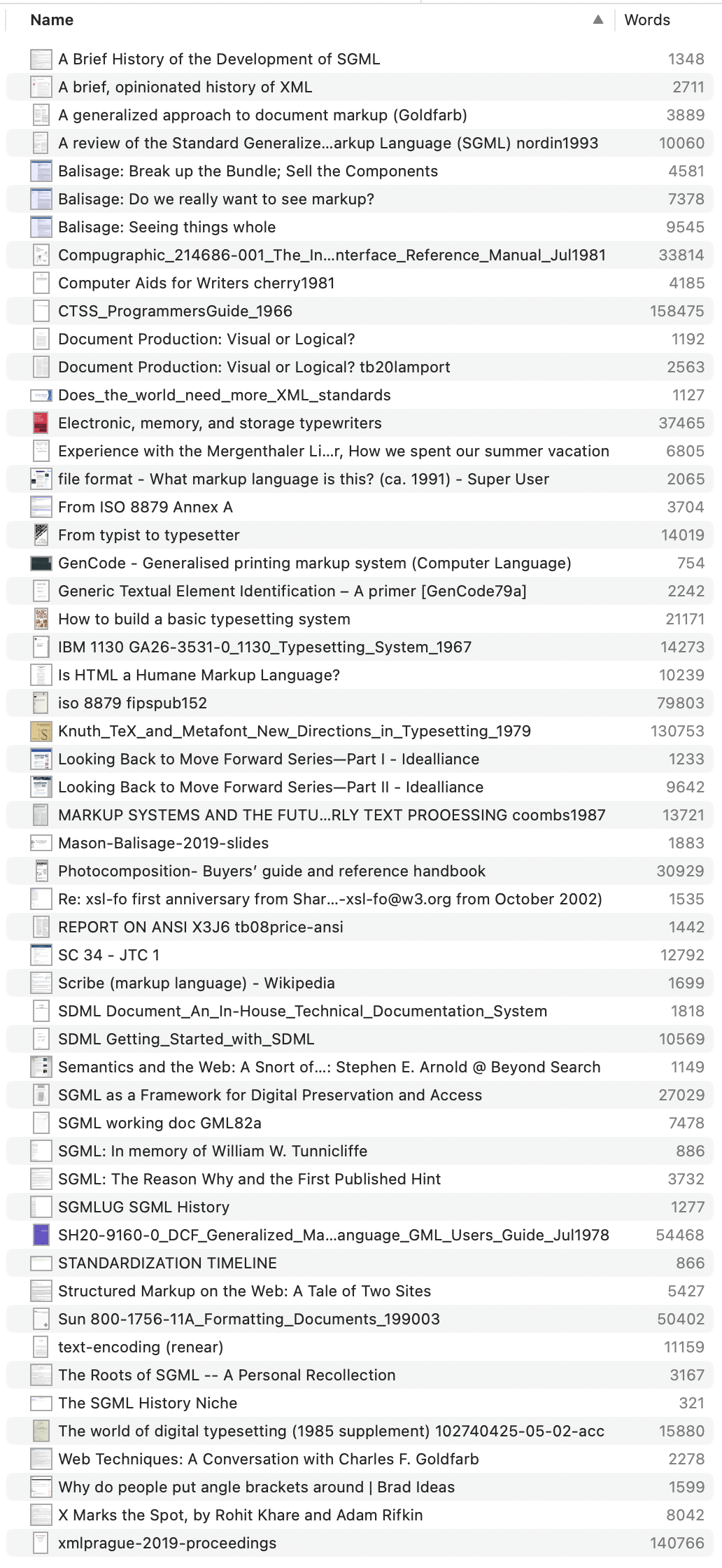
However, good news (for someone?): There are now over 40 papers and books I scanned that deal with history of markup. Enjoy!
https://archive.org/details/wicharytypewriter?tab=collection&query=subject%3A%22markup%22
Wrote down what I learned so far and open questions in this new doc: https://docs.google.com/document/d/16QNavHjds1OdkKsfqLYx6EF0ohA-Qh_dZc8OK9TFrQk/edit?tab=t.0#heading=h.z1r9lwho309s
…in case you are interested in seeing where I am and what are my next steps, and maybe have new ideas. Thanks in advance! The doc is free to comment, or you can always ping me here.
EDIT: Please do not tag/bother Tim Berners-Lee. Angle brackets happened many years before he started working on HTML.
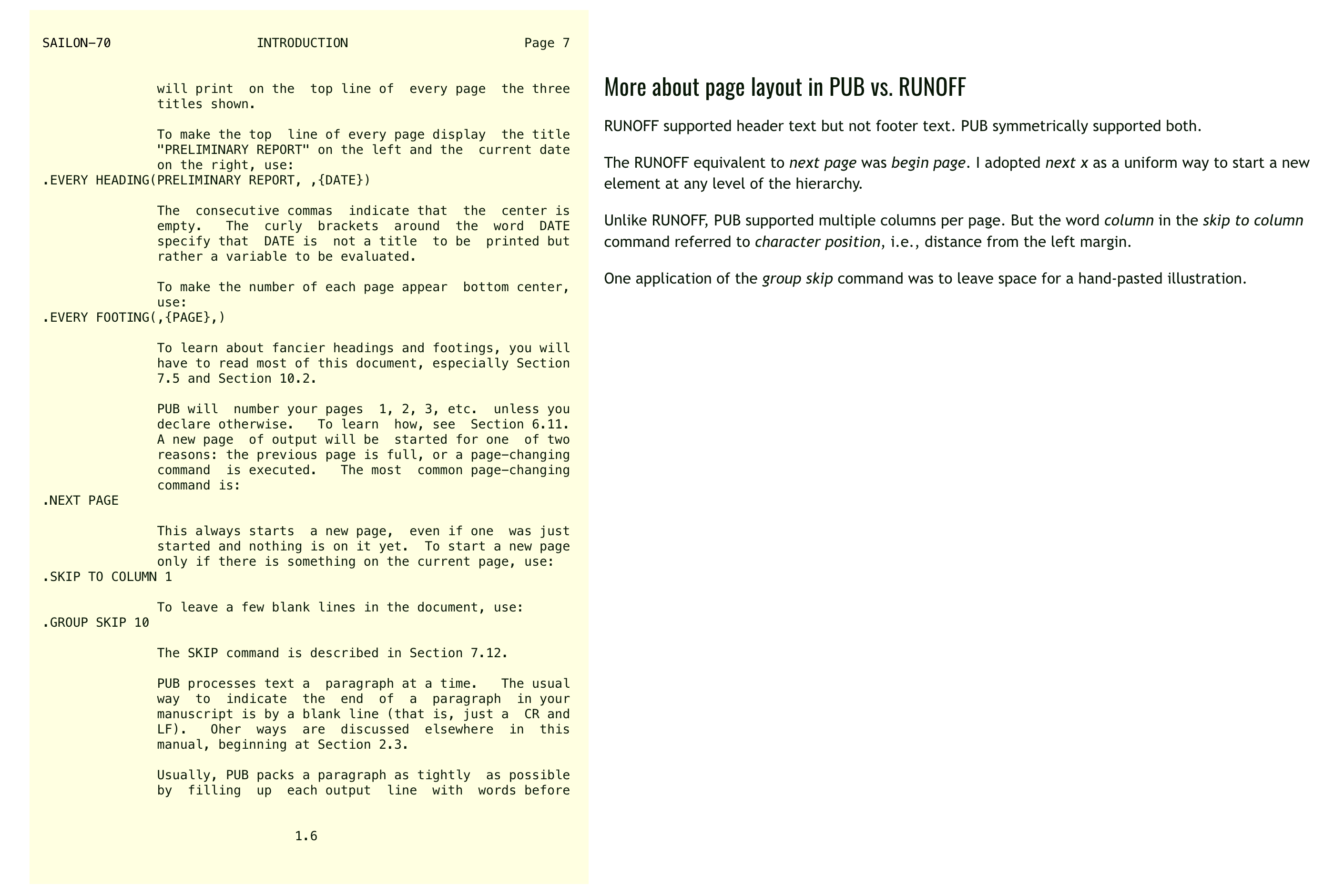
I really like this way of annotating/commenting on an old document – in this case an old markup language called PUB, from Larry Tesler himself.
I just wish it worked on mobile as well. And, perhaps, that it would show the scanned pages rather than recreated ones. Something about that feels important to me.
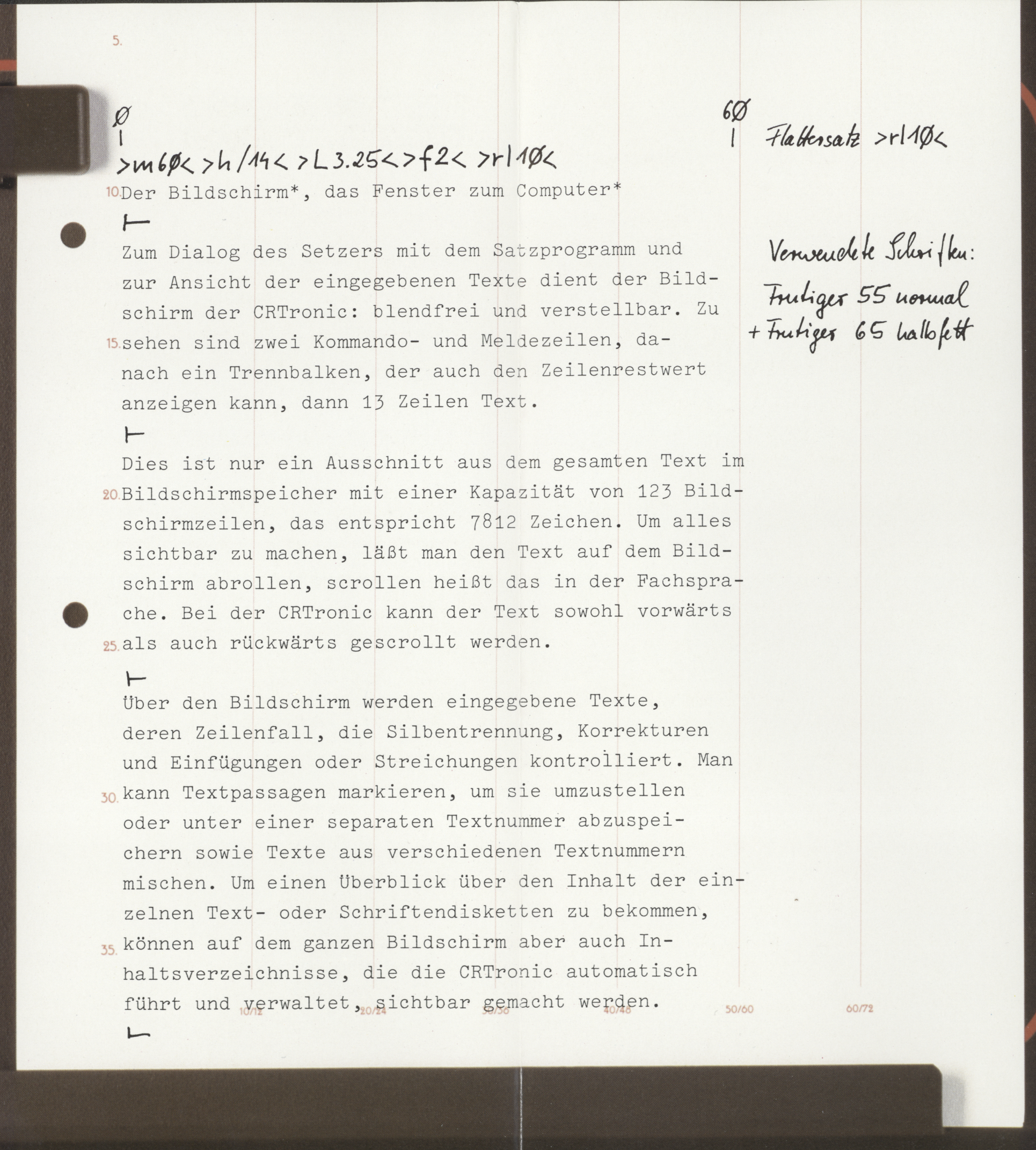
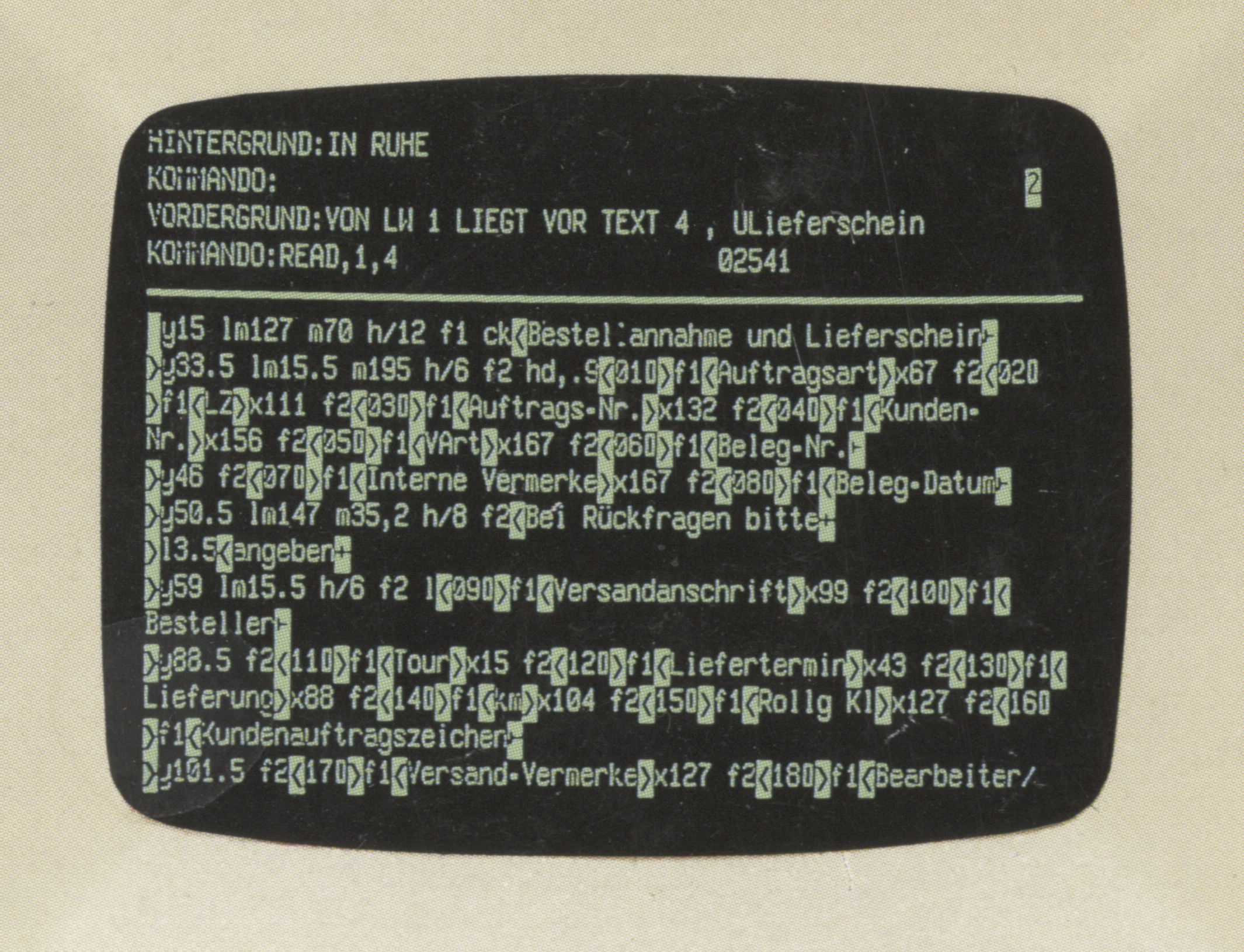
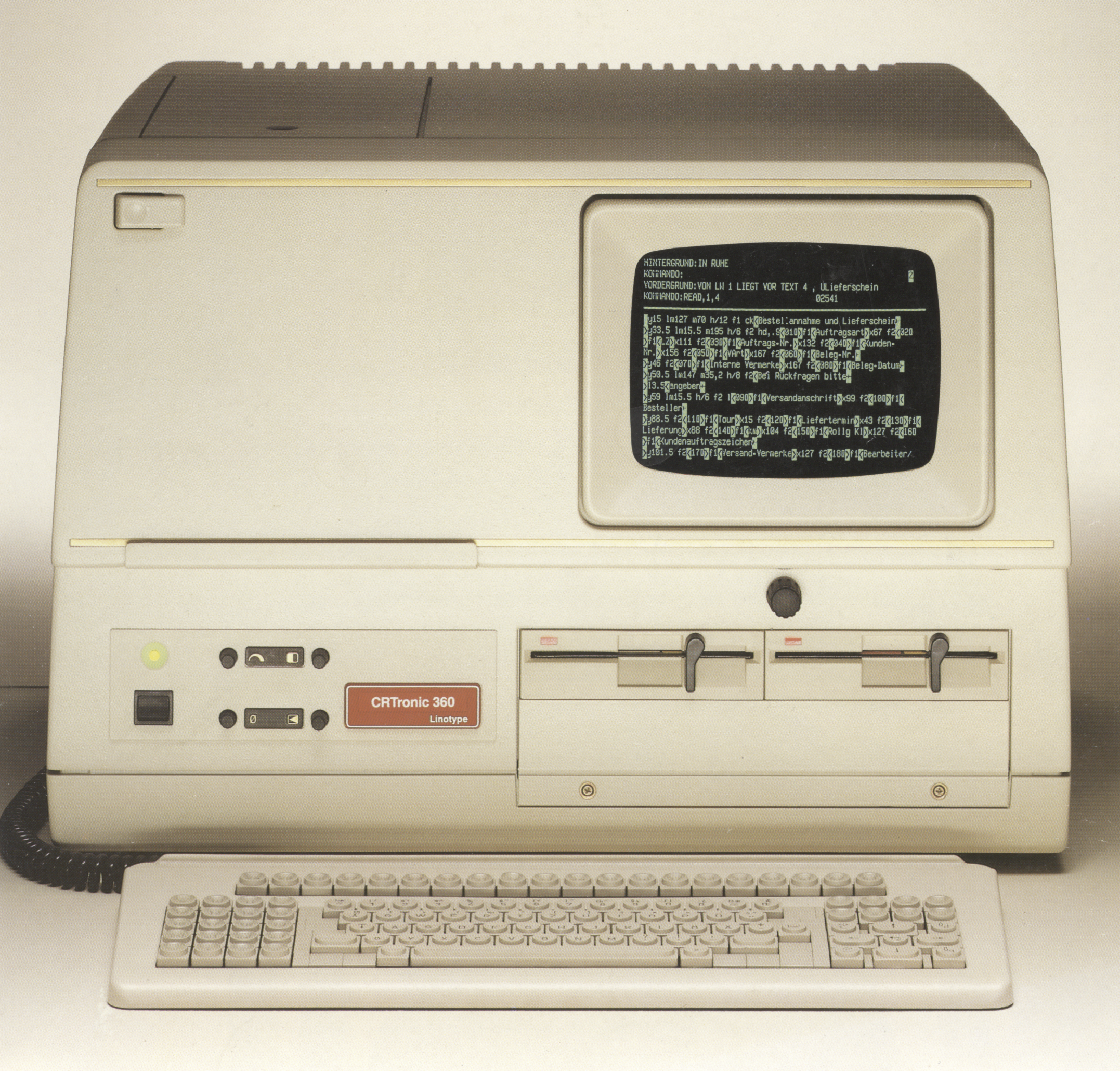
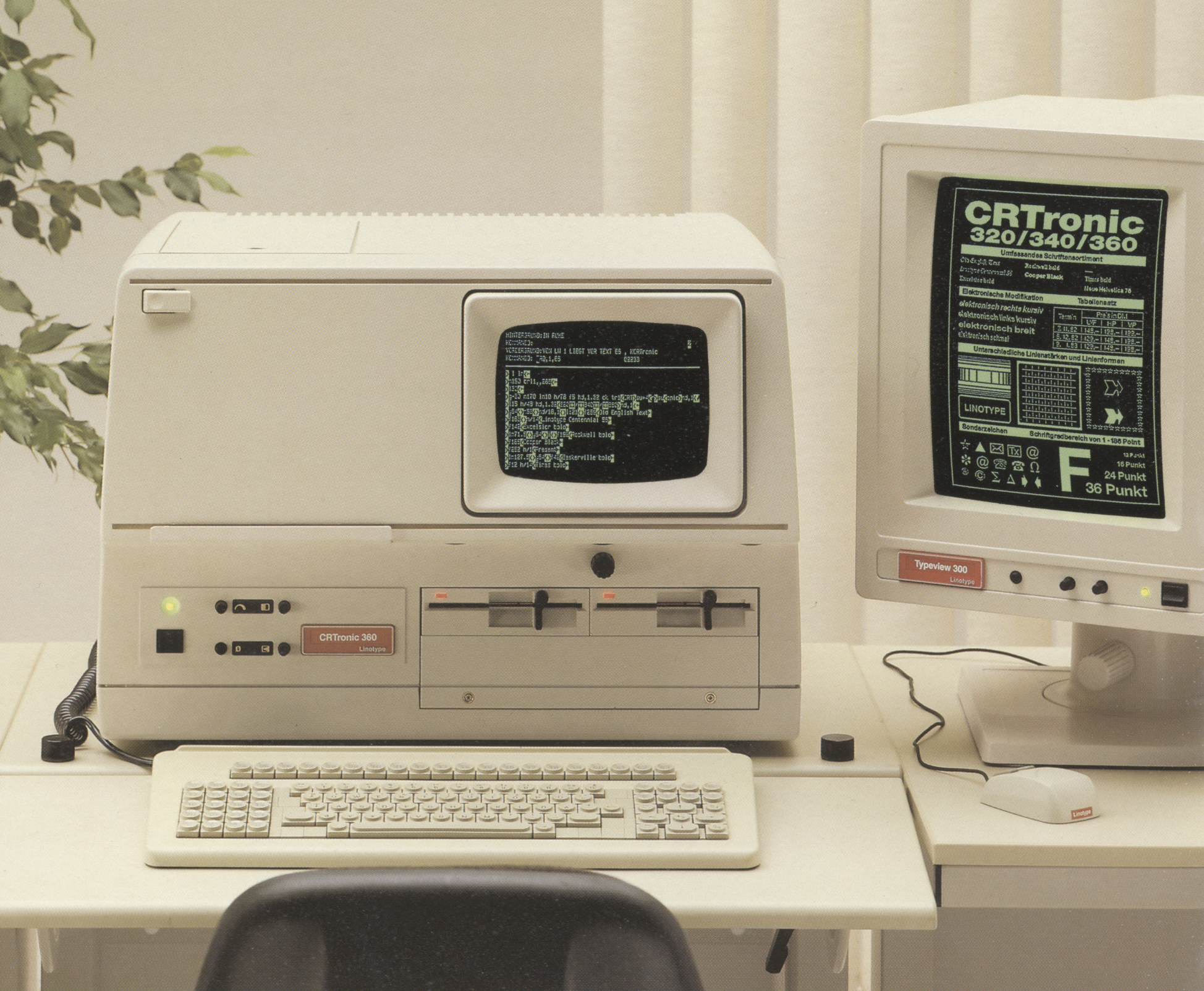
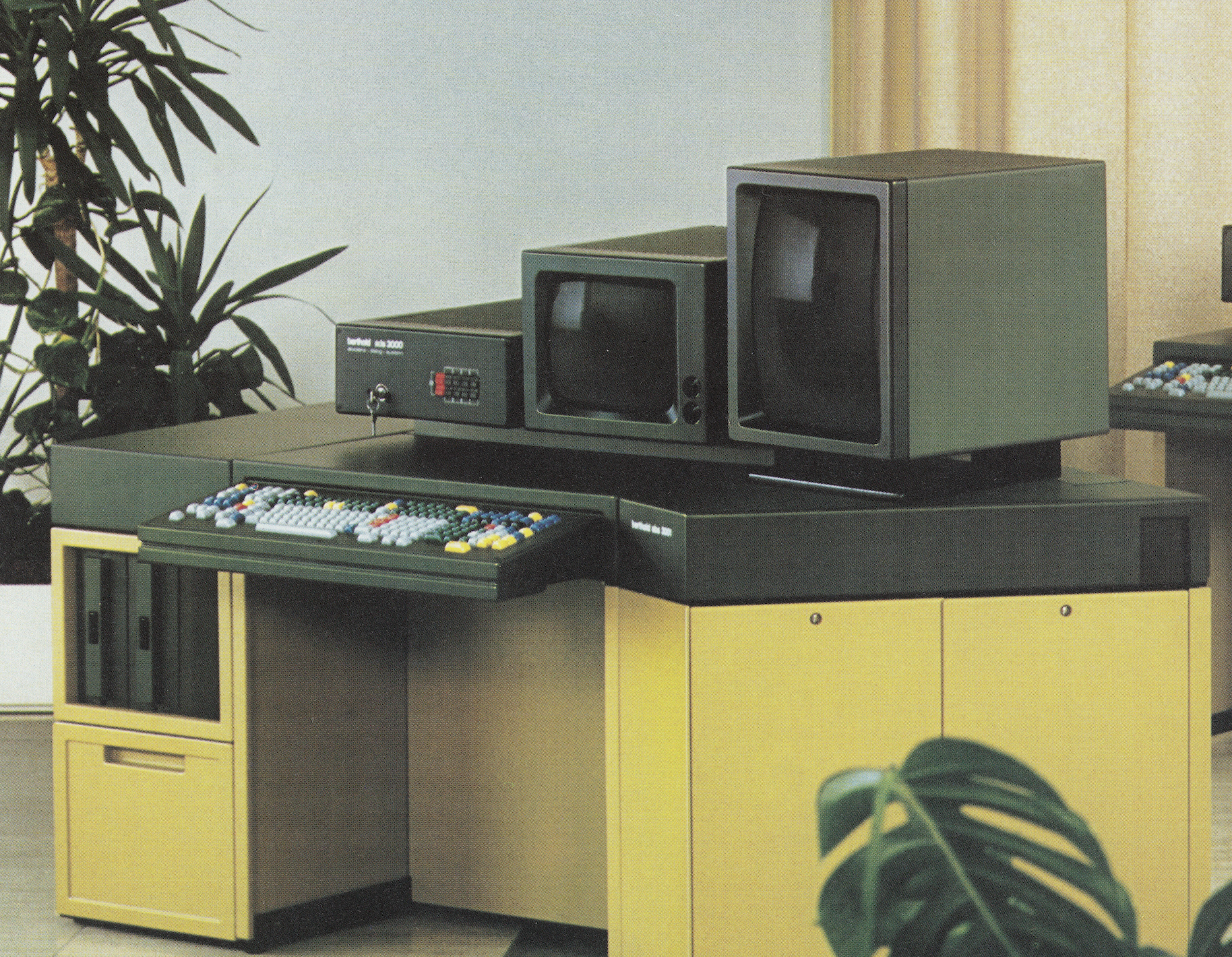
Part of this kind of amazing-looking phototypesetting machine… but then again, all of them were amazing-looking.
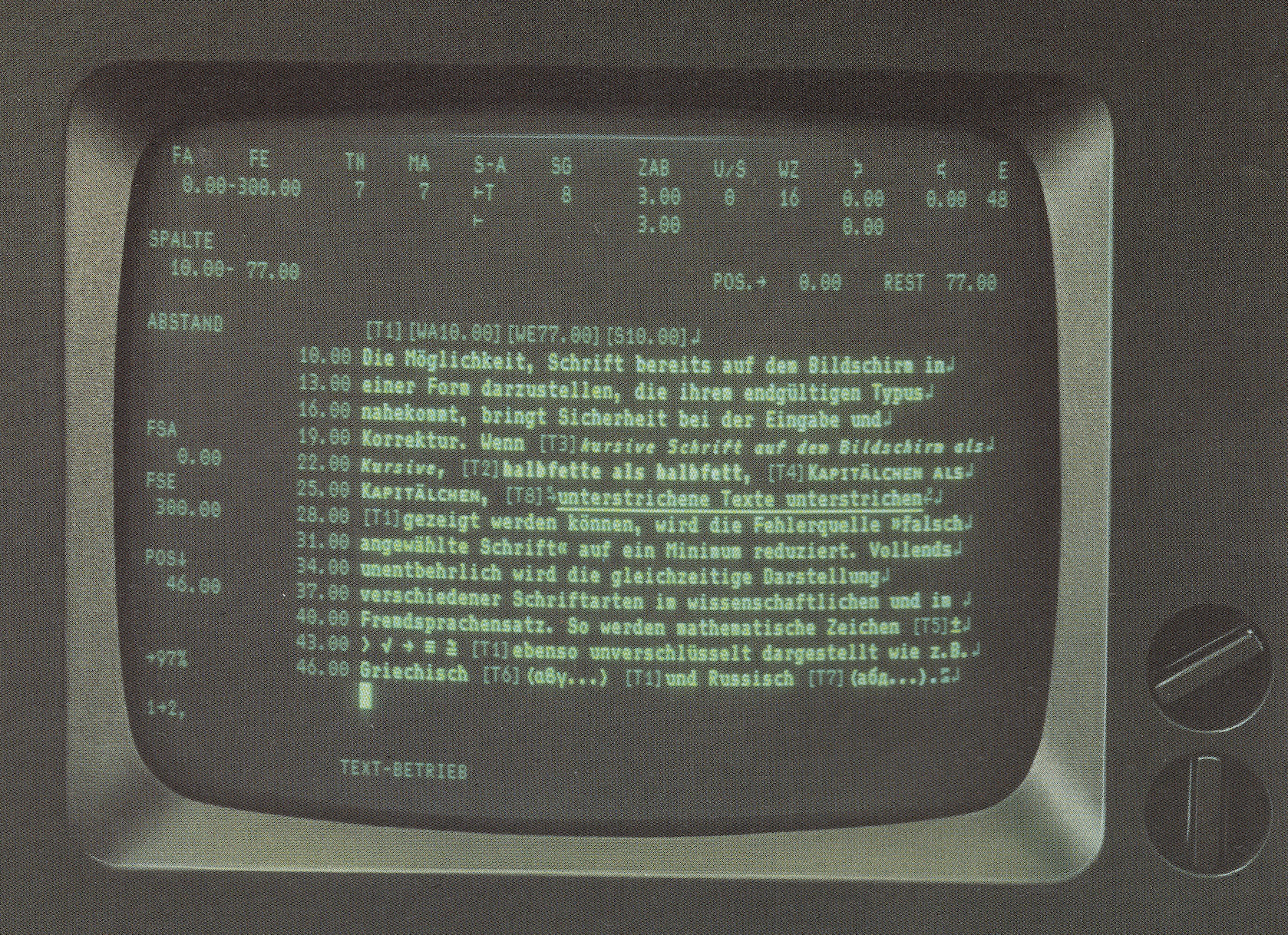
Case in point: Another phototypesetting machine, this time with my beloved braces.
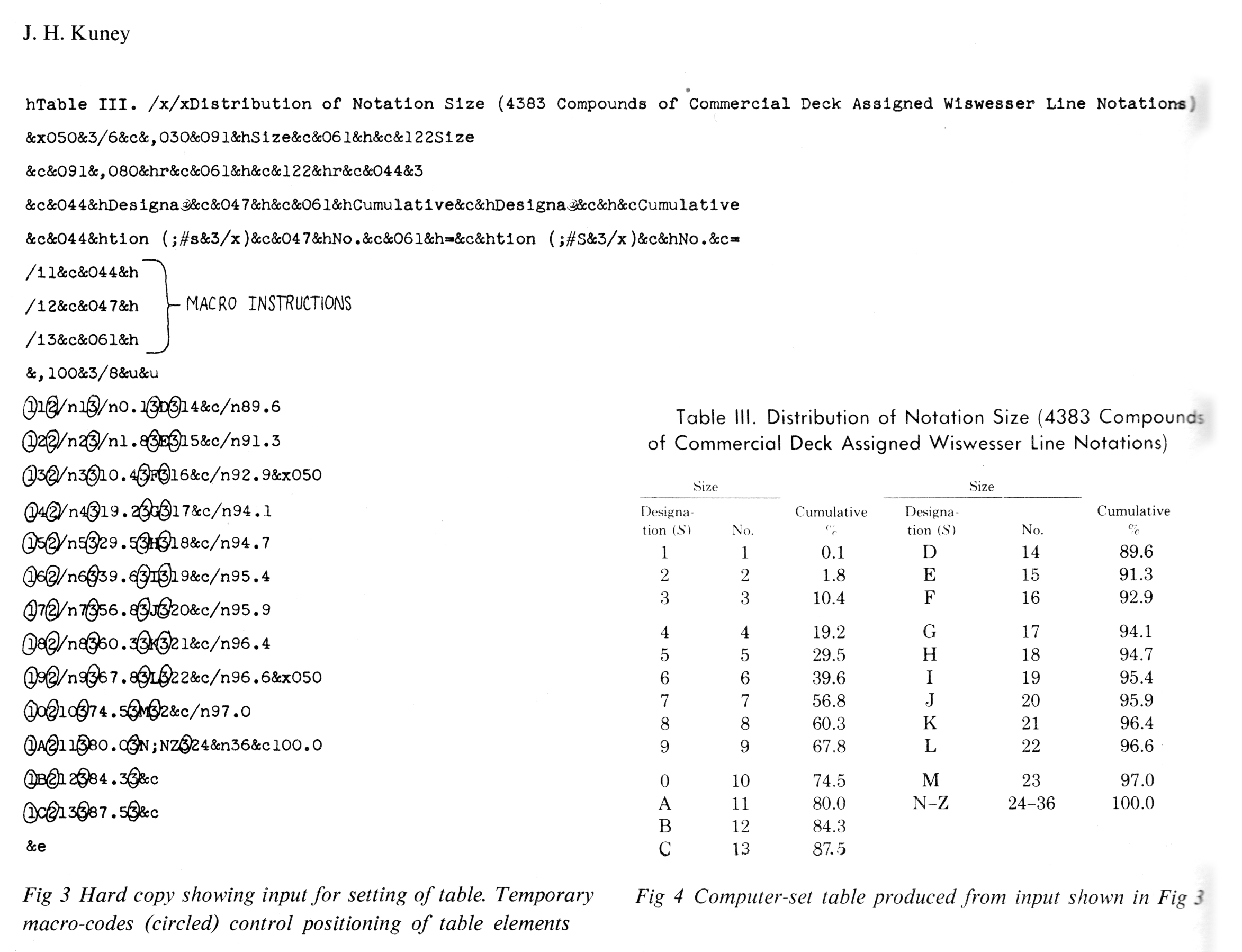
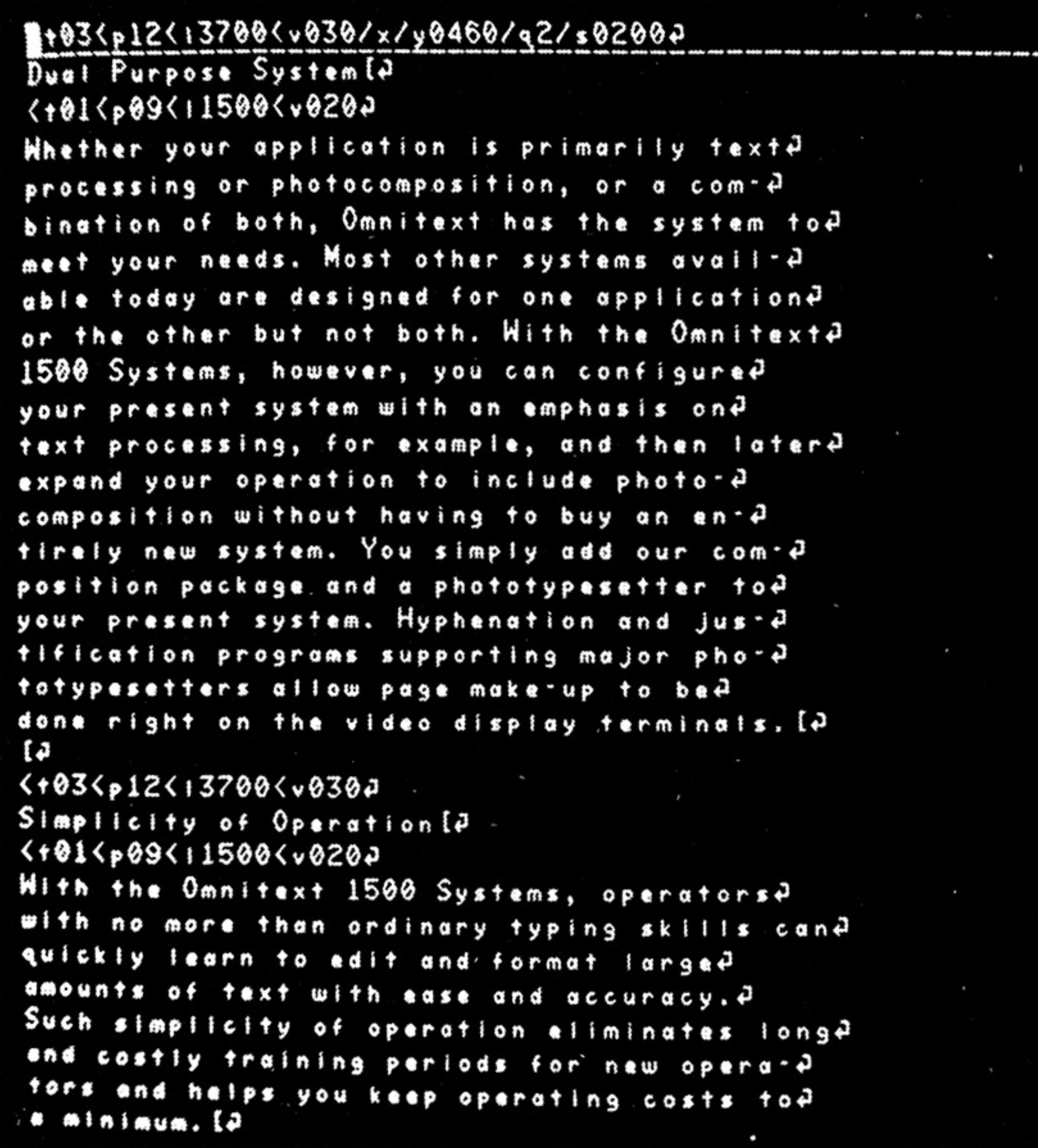
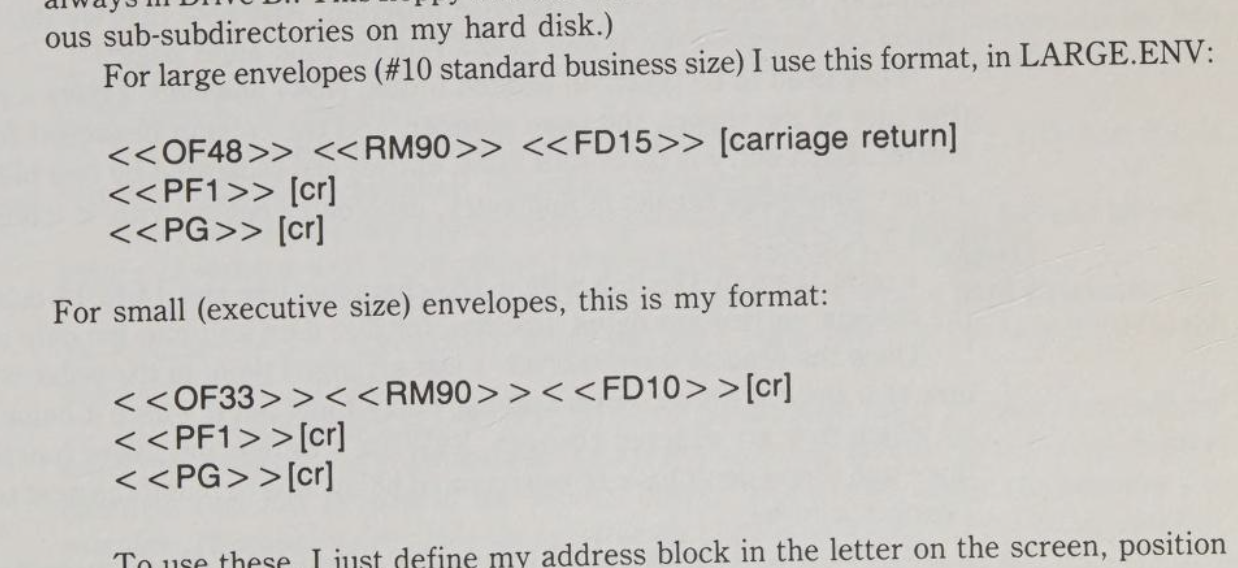
Yet another typesetting system (1971), this time with only opening angle brackets.
Very close (<b>!), but the tags are ongoing, rather than opening and closing.
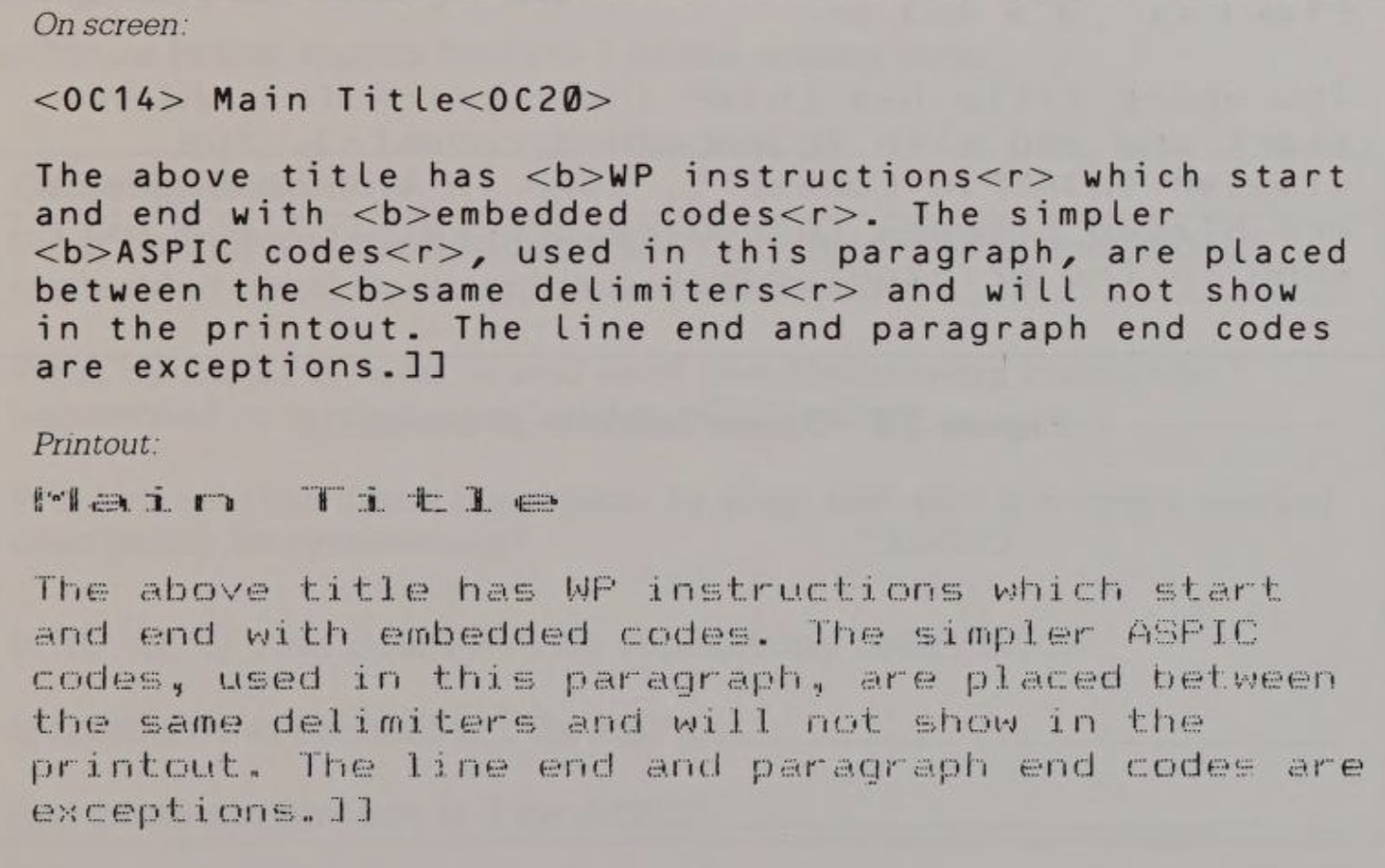
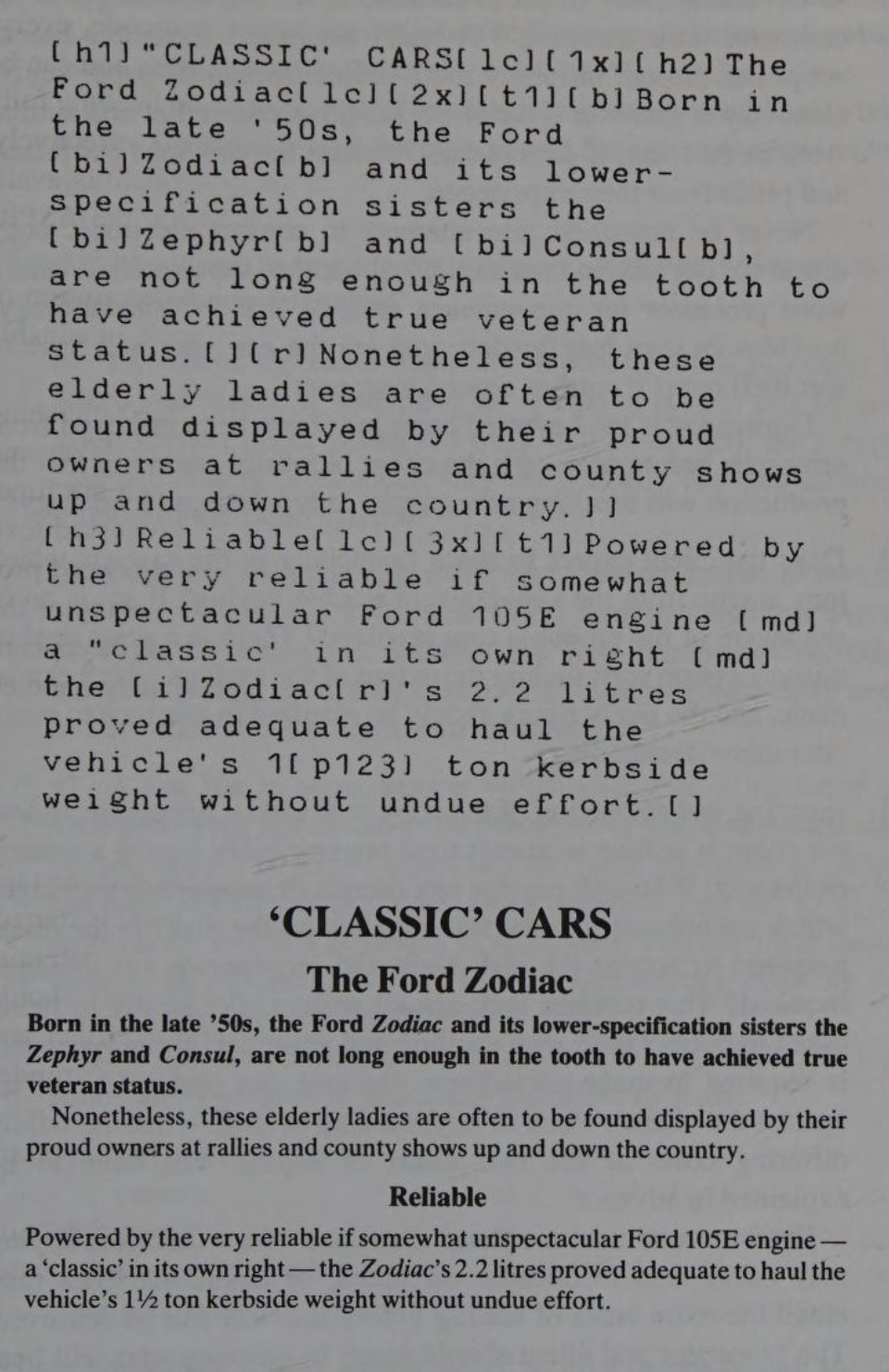
This is microcomputers, and called ASPIC? Never heard of it before.
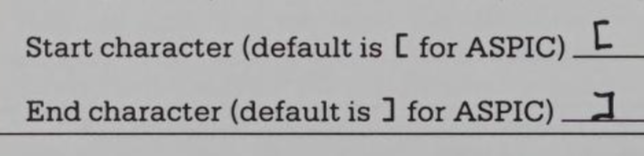
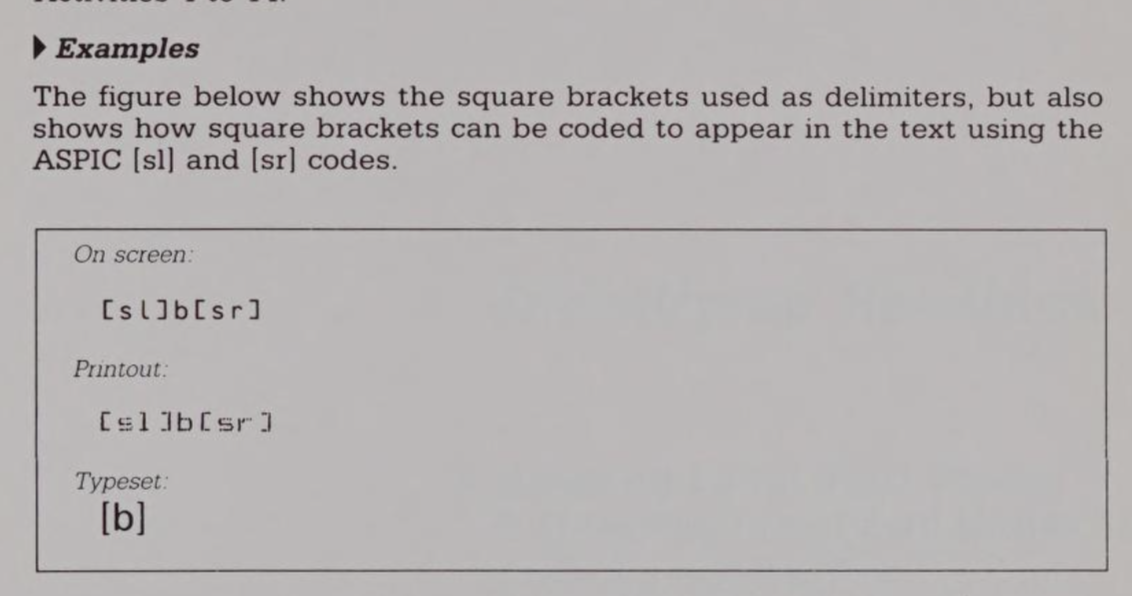
I am vibing with ASPIC! But it’s also kind of strange from the perspective of HTML that escaped delimiters are also regular tags.
Ah, it seems ASPIC stands for Authors’ Symbolic Prepress Interfacing Codes or Authors’ Standard Prepress Interfacing Code, and was specifically made and popular in the U.K.
Loving the [] for new line/paragraph.
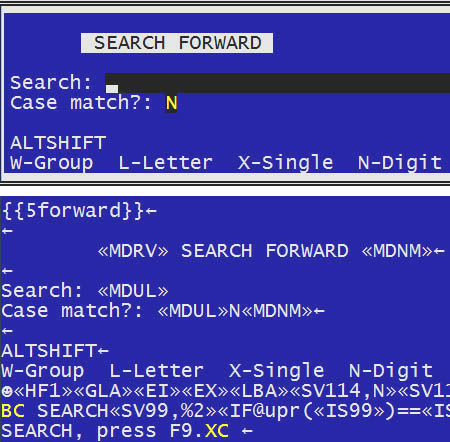
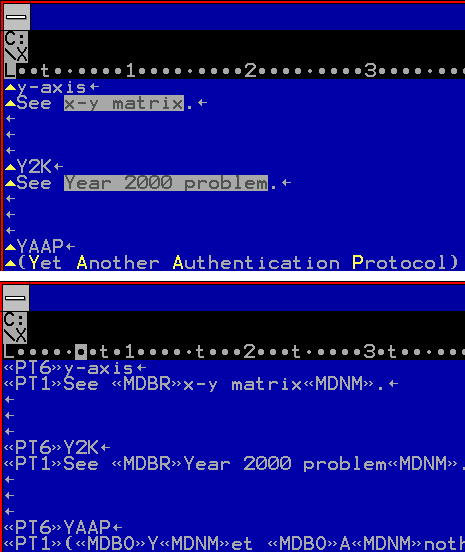
Thank you to @apples_and_pears for letting me know about XyWrite, a word processor that used guillemets! Because why not.
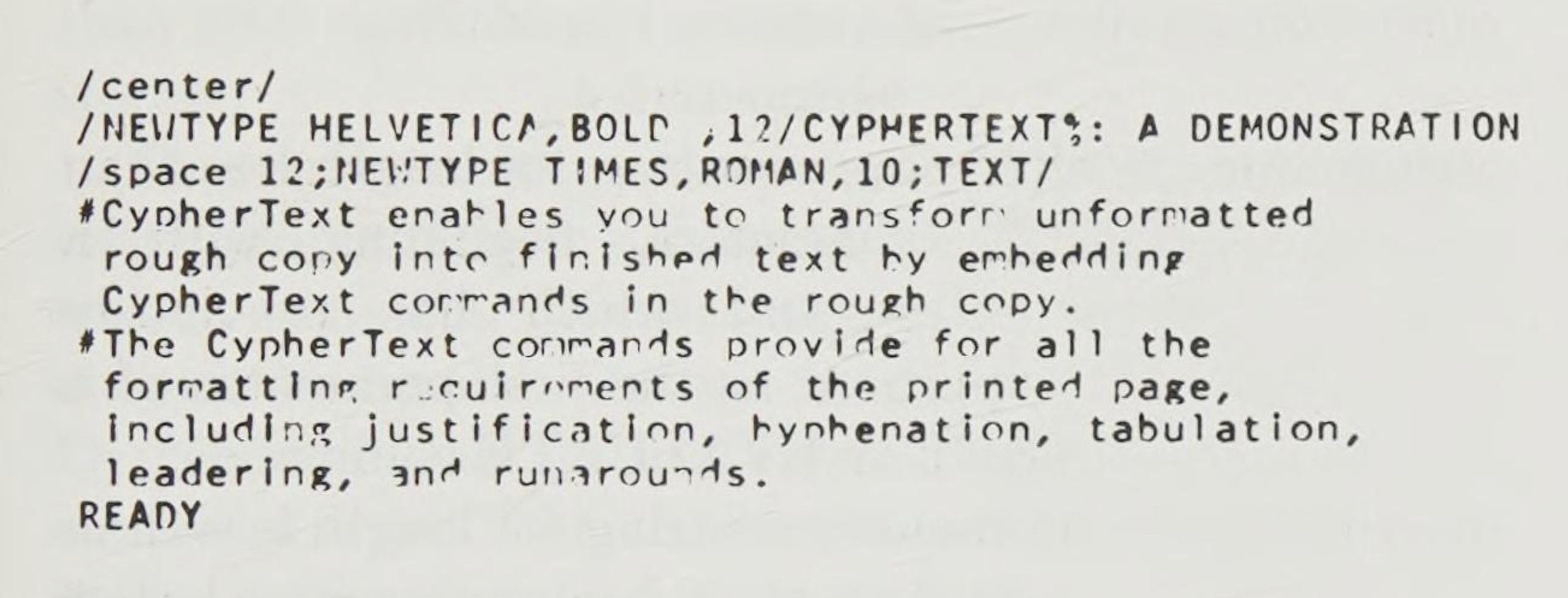
If not guillemets, then maybe slashes will be to your liking.
Or if you don’t like slashes, there might be ways around that, too (h/t @dalke).
PS if anyone is curious about the current tally, the earliest appearance of angle brackets for markup I can see was is 1965, with the British COCOA. But not sure if it influenced anything that came after. I’m trying to find out more about it.
https://www.chilton-computing.org.uk/acl/applications/cocoa/p001.htm
That is 60 years ago!!!