
vegetarian food and meat substitutes – a long thread
So whether or not you're vegetarian or vegan, cutting down on your meat intake is a good idea for various reasons – high among them being environmental concerns and overuse of antibiotics on farms. It would be foolish to think otherwise.
The thing is, some cultures have been using meat substitutes in food for centuries. Either for religious reasons, like some schools of Buddhism, or among people who don't always have access to meat. So it can be worth following their example.
Humans are not evolved to be herbivores, and I really don't like all the people who say "go vegan" without also telling people exactly what that means. So in case anyone finds it useful, here's a little thread about meat substitutes to include in your diet, and nutrients to make sure you're getting enough of!
meat substitutes: tofu
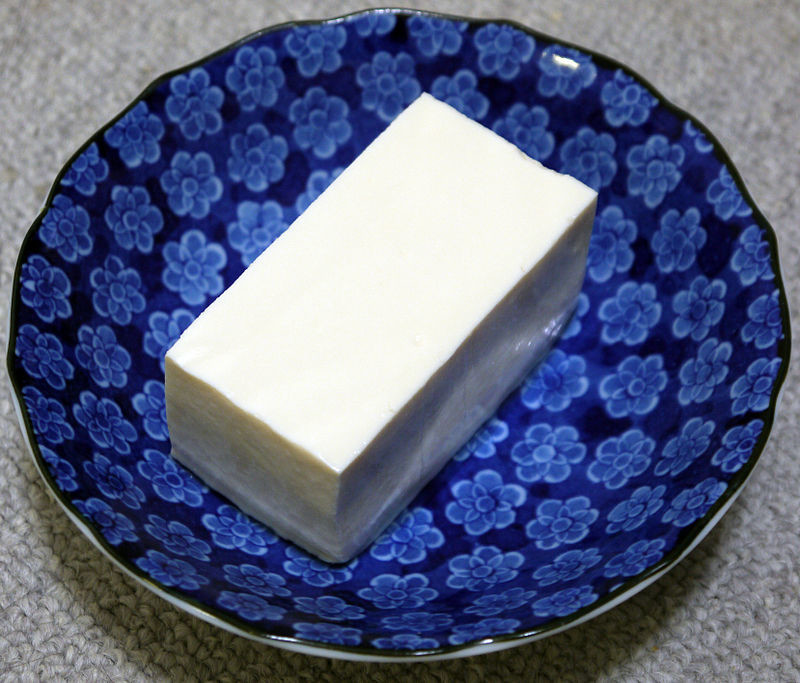
By now, I think everyone knows about tofu. It's basically what you get if you try to make cheese from soy milk. It's low in calories and makes a good meat substitute because it's rich in protein and iron. It also has very little flavour of its own, so you can make it into pretty much anything.
Raw tofu is available in various consistencies from silken to extra firm, and is traditionally prepared for eating in all kinds of ways, from pickling to deep frying. Using it as a direct substitute for meat doesn't always work well though (which may be why so many people say they don't like it). It's best if you learn
✅ Pros: Full of protein and highly nutritious. Extremely versatile
❌ Cons: May need to learn to cook it properly. Made from soy, so some people may be allergic
meat substitutes: seitan
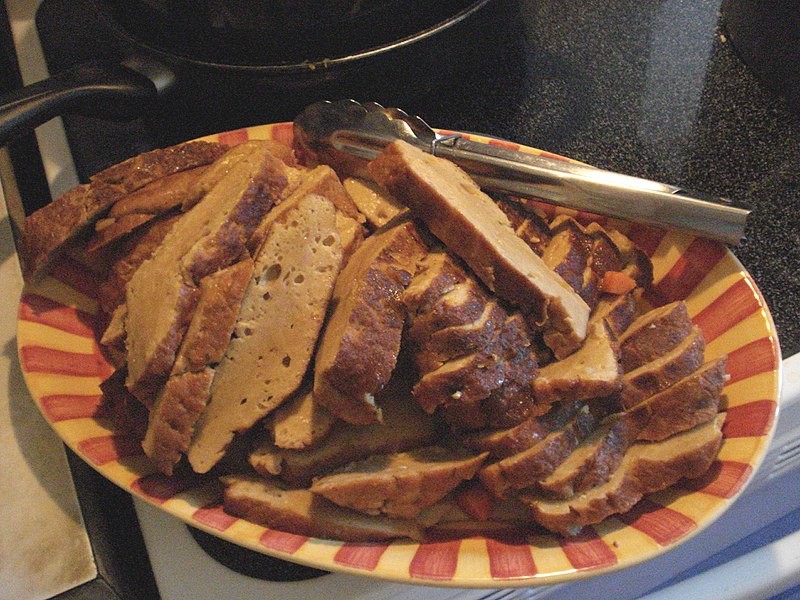
Seitan is essentially just gluten extracted from wheat, and it has a long history of use as a meat substitute in East Asia, having been used since the 6th century. It's traditionally been especially among Buddhists, and arguably the most famous food made from wheat gluten is mock duck.
When made properly, seitan can have a texture very close to actual meat – Though this varies according to how it's made. I've eaten some which wasn't very meaty at all.
You can also make seitan yourself. It's a little time consuming, but the only basic ingredient is wheat flour (though I'd suggest adding a few other things for flavour). This makes it very accessible, given how cheap flour is.
✅ Pros: Nice texture, full of protein, and you can make it yourself
❌ Cons: It's literally just gluten, so avoid this if you have celiac disease or other gluten intolerances
meat substitutes: TVP
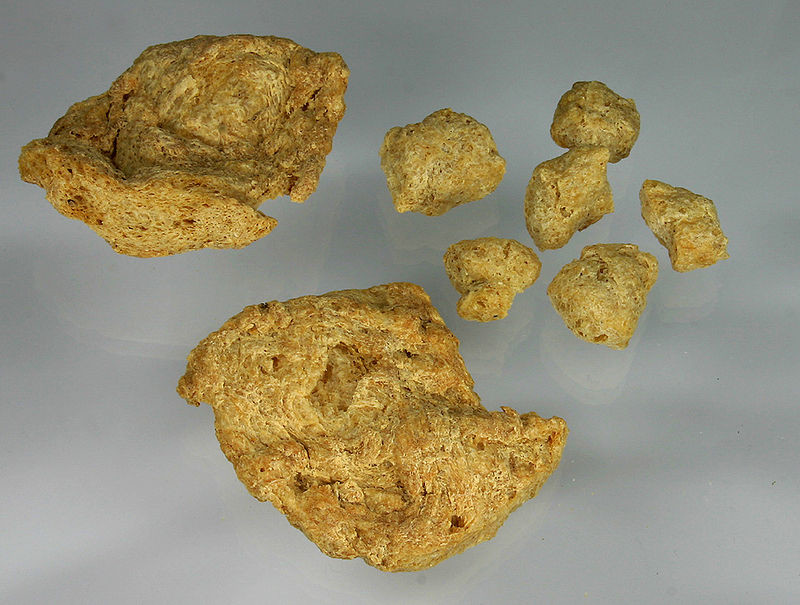
Textured Vegetable Protein (TVP) is made from soy flour. You can find it on sale dried, and it keeps for a long time. Just soak it for a while before cooking (like lentils). It's also quite cheap.
To be honest, I never much liked TVP. The texture isn't so good in the larger chunks IMO, though if you buy the more finely ground TVP, it can be a good addition to some foods (stews, chile sin carne, and so on).
✅ Pros: Rich in protein and iron, cheap, lasts a long time
❌ Cons: Bad texture, not very versatile, contains soy so unsuitable for people with allergies
meat substitutes: Tempeh
Tempeh is made from soybeans, like tofu. Unlike tofu it's made by fermentation into a kind of cake, and is made from whole beans so it has more fibre and vitamins than tofu, as well as a different texture. There are also a few different kinds of tempeh, which may include other ingredients like coconut, cassava or peanuts. At least one is made with leftovers from tofu production.
It's popular in Southeast Asia, where it's often fried (either with or without batter, or grilled on skewers. If you're trying tempeh, it's probably worth looking up some Javanese recipes to try.
✅ Pros: Nutritious and versatile. Keeps for a long time when cooked. A rare non-meat source of vitamin B12
❌ Cons: Made from soy and other things which may trigger allergies in some people
meat substitutes: Jackfruit
This one surprises some people. It's a fruit which grows across South to Southeast Asia, jackfruit is used in a lot of cuisines. It's been cultivated on the Indian subcontinent for up to 6000 years, and is the national fruit of Bangladesh and Sri Lanka. The ripe fruit has a strong, distinctive aroma, but the unripe fruit is quite mild, with a firm texture. It can make quite a good meat substitute, and has a texture similar to pulled pork when cooked. In some parts of India, unripe jackfruit are made into curry.
As well as in Asia, jackfruit are also grown in Africa and South America (become invasive in the latter), but may be difficult to find on sale in some places.
✅ Pros: Hypoallergenic and rich in vitamins B and C
❌ Cons: Low in protein and may be unavailable in places further North
meat substitutes: Mycoprotein
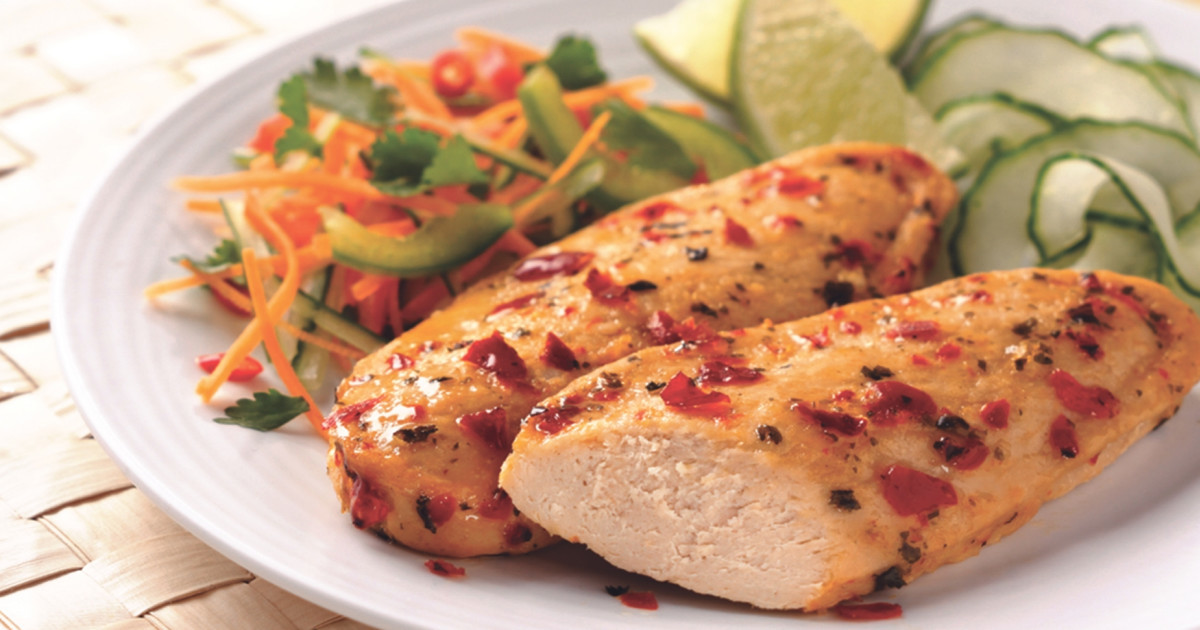
One of my favourites. Protein from fungi can be a good subtitute for meat, particularly Fusarium venenatum (sold under the brand name of Quorn). This food originated in the UK where it's produced by fermentation and bound with potato starch (older formulations used egg white).
This fungus grows with filaments very similar in size to muscle fibres, giving it a very meaty texture (some vegetarian friends of mine don't like it because the texture feels *too* much like meat).
As well as being rich in protein, it's also full of fibre, and can help reduce cholesterol levels. Mycoprotein can even leave you satiated for longer than some meat-based meals.
✅ Pros: Excellent meat substitute, one of the most hypoallergenic options
❌ Cons: Poor availability – it's no longer patented, but almost no one actually makes it!



re: meat substitutes: Mycoprotein
@InvaderXan Quorn is great. I get what you mean about filaments, it's certainly closer than other substitutes.
It gets compared to chicken a lot? Which I find kinda bizarre, because texture-wise it doesn't have the stringy-filament bit at all. But like chicken it makes for a good neutral protein base for other flavours to go on top of.
Aside from Quorn, I think Linda McCartney brand stuff uses mycoprotein. (UK as well, though)
re: meat substitutes: Mycoprotein
@InvaderXan It depends on the thing in particular, but overall as a brand I find them too greasy. But I have a very low tolerance for greasy food, so ymmv? (Avoid the red pepper + chorizo sausages, though; They're *super* greasy)
Some of the pastry + quorn ones are fine, though.
re: meat substitutes: Mycoprotein
@InvaderXan My biggest 'find' recently with mycoprotein has been the Quorn-brand pasties
They're not amazing, but they're fine, and most importantly of all: They're *vegetarian pasties that aren't Cheese & Onion*. 🎊
re: meat substitutes: Mycoprotein
@pastelbat
Ugh. I've never been fond of cheese and onion. Nice to know there's another option now!

re: meat substitutes: Mycoprotein
@pastelbat
I guess I should tentatively experiment. Though I don't think I've seen any of them where I am now...