
What makes a good translation? (discussion about but not including slurs)
What counts as a good English translation of a Japanese-only game from two and a half decades ago... when the original game has some problematic dialogue? (Yes, I'm keeping it vague for now. There's a whole bucket of discourse here, but for now I want to explore the issue as far from specifics as possible.)
The translator in this case chose a word they understood to be a "mild slur" intending to keep the meaning and tone of the original work.
Some folks noted that the chosen word is widely considered a slur even worse than the original text, but it could and should be easily changed to something less incendiary as the context itself would be plenty to preserve the insensitivity of the original writers.
The translator then penned an open letter about how they didn't know it was that bad, they didn't want to hurt anyone, and that they were just trying to keep the original derogatory tone.
My argument is that translation exists to open up a work to a new audience. Just because the original work had a bad concept doesn't mean it's acceptable to compound the problem with a translation that's worse. If the goal is "accuracy" there's still no excuse; the translation is from mid-1990's Japanese to 2020's English, so there's no reason to use deprecated terminology anyhow.
I can get to more details later, but first: What're folks' thoughts on this? Does anyone have favorite examples of translations that illustrate the issue?
re: What makes a good translation? (discussion about but not including slurs)
@typhlosion Hunh. That's actually a really good idea, thanks! Heck, they might even already know the specific translation (and shitstorm) I'm referring to....

re: What makes a good translation? (discussion about but not including slurs)
@ElectricKeet I have nothing to add to your analysis except that this question isn't about whether the original translator did a good or bad job
I understand said translator's impulse towards self-justification, but "what should we think of this translator" is a completely different question and not really relevant
your analysis seems to focus on the impacts of the work, positive and negative, and how those should inform the translation, which I think is the right question to ask
- 🦊

What makes a good translation? (discussion about but not including slurs)
I can't agree that translators should be revisionists. If the original work is problematic, then the translation should be problematic.
When modern Fire Emblem games are localized for the US, they age up the characters. So a bio that lists a sexy female character as "16 years old" in JP will list the character as "19 years old" in NA. Dead or Alive games would simply omit the age of sexy under-age characters altogether. (The latest DOA games are merely region-free, so NA users get the same experience as JP users.) Is the content no longer problematic now?
Your theory predicates that game developers change their own tastes over time, and thus would salute this change. But that would need proof. Both Duke Nukem 3 and its sequel from 14 years later have sexualized women in bondage, clearly violated against their will, who must be killed for you to progress, and their deaths are played for laughs. Sometimes stuff is just bad.
re: What makes a good translation? (discussion about but not including slurs)
@xinjinmeng These are good points! The age thing is particularly interesting for this, especially in how those details can imply a lot of questionable ideas despite (or because of!) a lack of any supporting text.
I absolutely agree about the revisionism angle. I sure as hell wouldn't propose the original game disappear from history (as some folks in the thread seemed to assume...?) and it makes perfect sense for the translation to carry that.
The question I ask here is about what's actually essential to the context and when it makes sense to revise a translation. In this case, we're talking about original dialogue that's:
- written by someone outside the aggrieved group;
- used as a joke at the expense of a character (and technically a second?);
- spoken by that character to refer to themselves;
- somewhat broad in meaning with no specifics stated or even implied;
- utterly unrelated to any other aspect of the game;
- amidst the tone of a goofy kids' cartoon.
It's a heck of a mess because there are so many ways to translate it absolutely accurately but with vastly different connotations. Of the ones that fit with the context, the word choice varies from "neutral enough that the inappropriateness is all in the situation" to "unambiguous in being intentionally incendiary". If the source is vague and there are equally valid ways to translate it that don't involve slurs, why keep the slur?
(The best part? The original Japanese word is assembled from common English words in an idiomatic way that would baffle the overwhelming majority of native English readers!)
The issue may become clearer with the next post, where I reveal all the juicy details. I've been avoiding them until now because boy howdy folks will have opinions about those specifics.
re: What makes a good translation? (discussion about but not including slurs)
If the slur is edited out, then it's no longer a mere translation. It doesn't matter if the original wording is hurtful or inconvenient.
Consider "The Adventures of Huckleberry Finn", which also uses a slur written by someone outside of the aggrieved group. If that word were left out, would the new version be a mere 'translation' ?
The term 'localization' is preferred, because it's both the process of translation and editing. A mere translation wouldn't change the name "Eggman" to "Robotnik"; a localization would.
I am curious what translation you're considering here, because this does sound a lot like Final Fight.
If the wording is considered to be a joke in bad taste... then it's a joke in bad taste, and a faithful translation would preserve that context. Otherwise, it's an unfaithful translation — it becomes a localization, a revision, or a censorship.
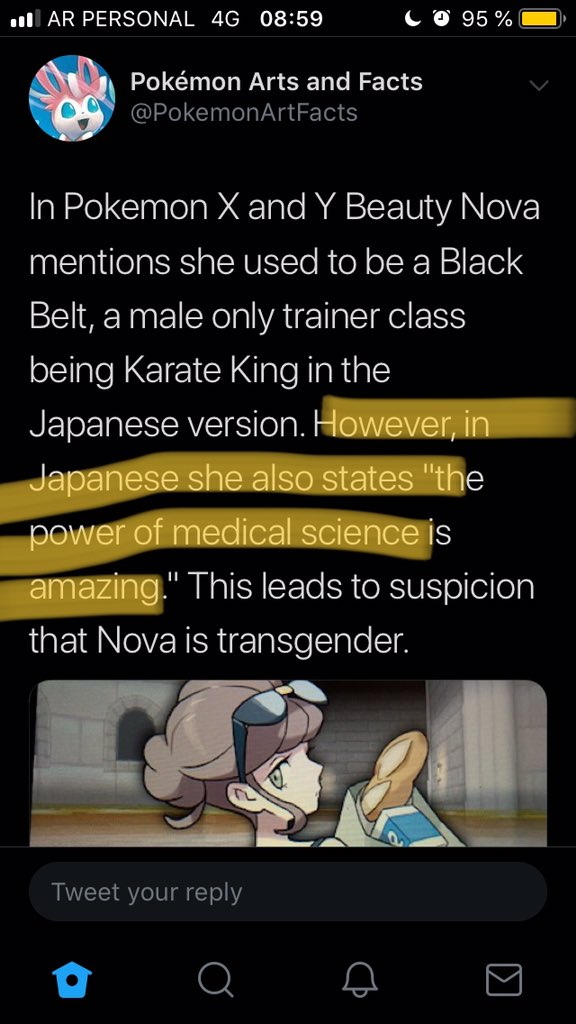
I don't make this argument to be academic. The target audience who consume the "translation" will assume that it's authentic to the original text, and editing out context, even problematic ones, will confuse the audience and erases the meaning. (Image attached.)

re: What makes a good translation? (discussion about but not including slurs)
@ElectricKeet this would be an excellent question to send in to Mato aka Clyde Mandelin